
What do kids need to know before kindergarten? It is one of the most common questions parents of four- and five-year-olds ask, usually somewhere between the preschool graduation photos and the first school supply list, and usually with a little knot of worry attached. The answer is less about flashcards and more about a handful of everyday skills that help a child feel confident on day one.
This guide from EduCastle Learning Center in Silver Spring, MD takes each area in turn: what the skill actually looks like in a four- or five-year-old, why kindergarten teachers care about it, and one easy way to practice at home. It follows the same learning focus our Pre-K teachers work from in The Knights' Academy. If you want a printable list instead, our Kindergarten Readiness Checklist: A Complete Guide for Parents has one.
What Should Kids Know Before Kindergarten? Start With the Big Picture
In Maryland, kindergarten entry is based on age, not on a test: a child must be 5 years old or older on September 1 of the school year (COMAR 13A.08.01.02). Our guide When Do Kids Start Kindergarten in Maryland? Ages and Cutoff Explained explains the cutoff in detail.
Once children start, every Maryland kindergartner takes the Kindergarten Readiness Assessment, which looks at early literacy, math, and social and emotional development (Maryland State Department of Education). You can read more in our guide to the KRA. The goal is not for your child to arrive knowing everything. It is to arrive with a strong start in each area, and teachers expect a wide range.
Early Literacy Skills to Build Before Kindergarten
Early literacy is about hearing, seeing and enjoying language long before a child reads on their own. Nobody expects a new kindergartner to read.
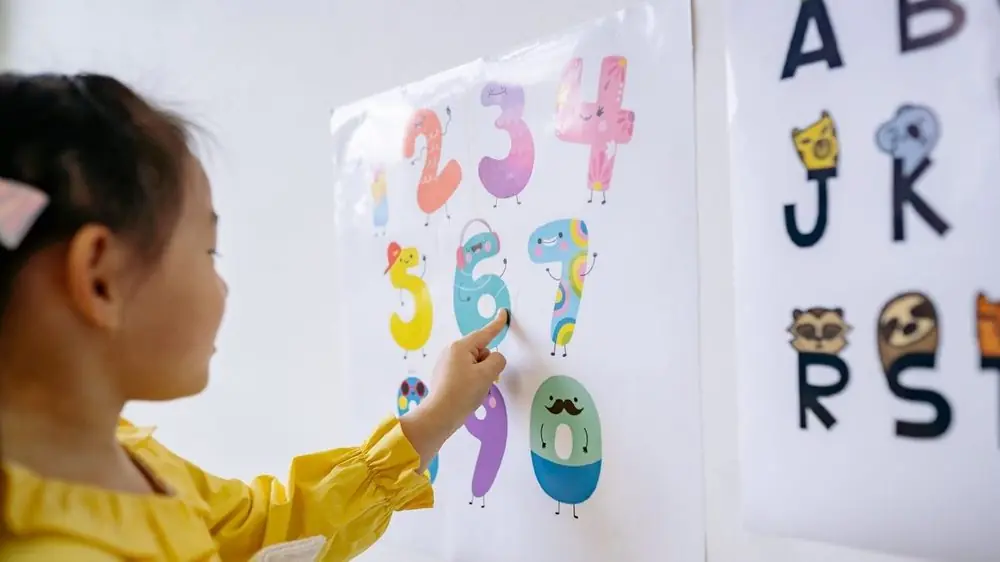
What it looks like. A four-year-old often knows that letters mean something and can pick out the first letter of their name. By five, many children recognize a good number of letters, hear that cat, hat and bat rhyme, write their first name in wobbly capitals, and retell the beginning, middle and end of a favorite book. Holding a book the right way up and turning pages in order counts too.
Why teachers care. Letter sounds, rhyming and story retelling are the roots of reading. A child who already enjoys books and notices print settles into reading lessons faster than one who has to learn to love them first.
Try at home. Read together every day and point to words as you read. Play rhyming games in the car. Ask your child to retell a favorite story to a sibling or a stuffed animal. A name on a bedroom door teaches that print carries meaning.
Early Math Skills to Build Before Kindergarten
Early math grows out of counting real things, not memorizing numbers.
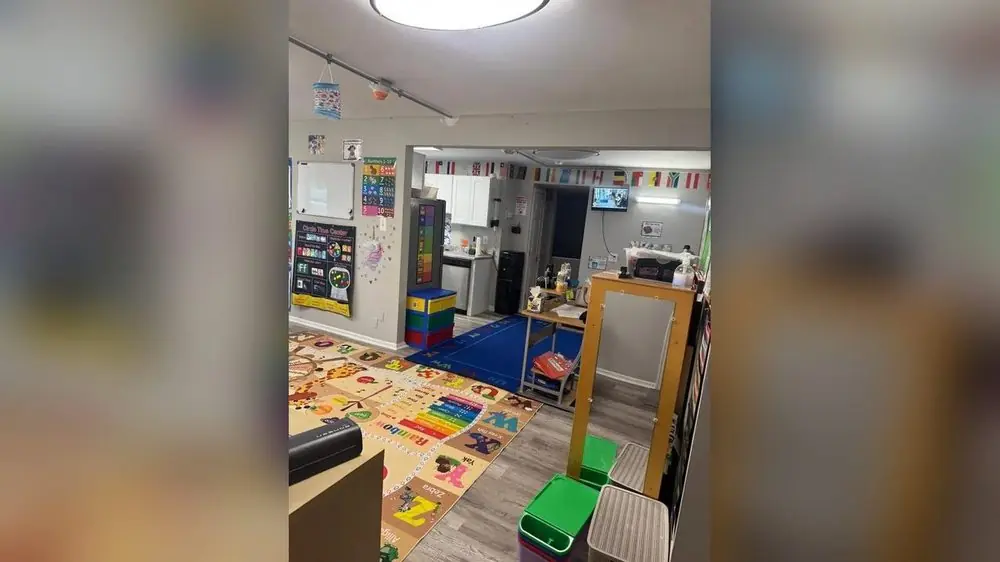
What it looks like. Four-year-olds often count out loud but skip objects. By five, many children can touch each object once while counting so the last number tells how many, continue a simple pattern like red, blue, red, blue, name circles, squares, triangles and rectangles, sort by color or size, and compare which is longer, taller or holds more.
Why teachers care. One-to-one counting and pattern spotting are the first steps to adding, measuring and problem-solving. Children who have counted stairs and sorted laundry understand numbers as real amounts, not just words in a song.
Try at home. Count stairs as you climb them and set the table together. Let your child count spoonfuls while you cook and notice how a recipe follows steps in order. Board games with dice build counting and turn-taking at the same time.
What Should a Kindergartener Know About Getting Along With Others?
Social and emotional skills often matter as much as letters and numbers, because a kindergarten classroom is a busy shared space with one teacher and many children.
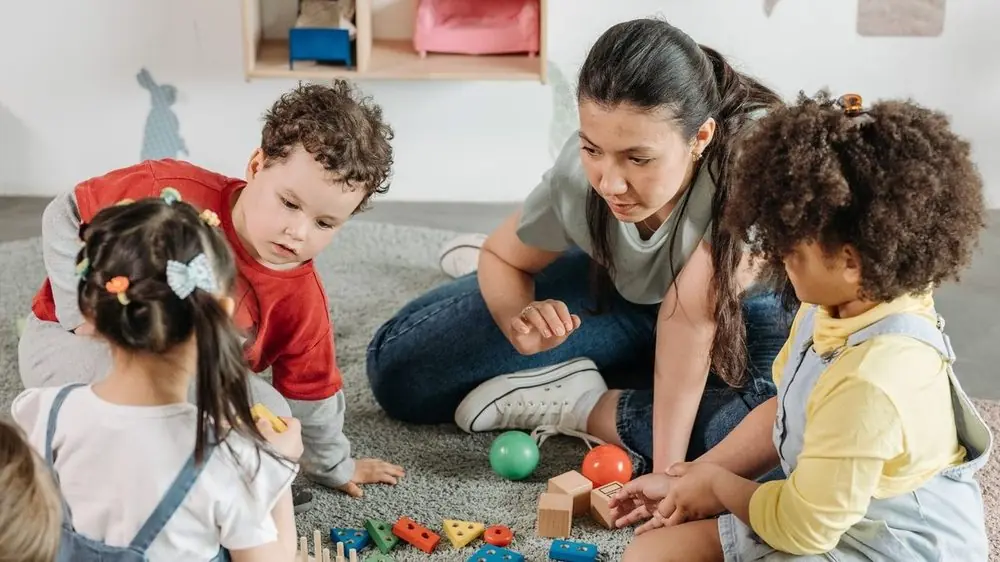
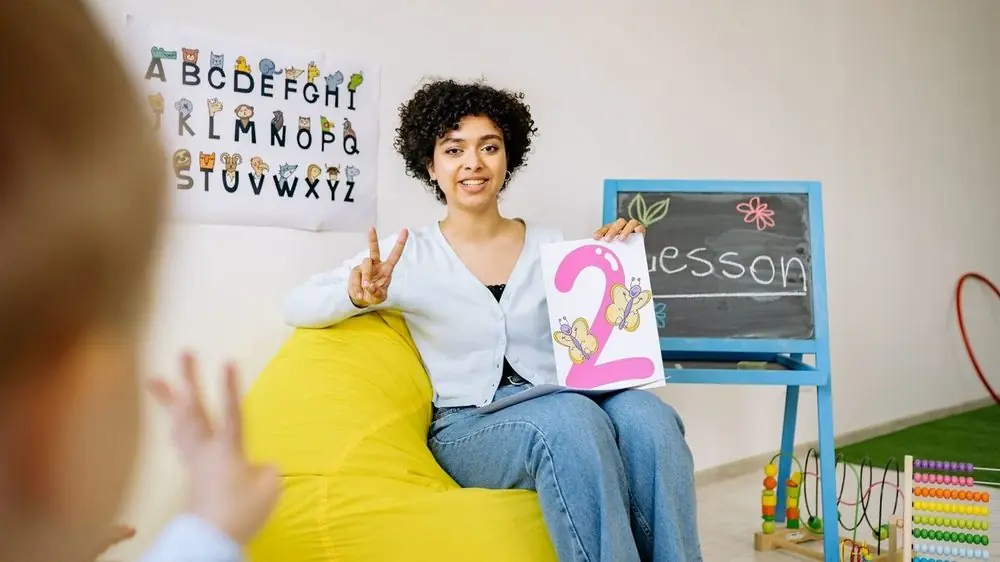
What it looks like. A kindergarten-ready child can name a feeling ("I'm frustrated"), wait for a turn with some reminding, join a game already in progress, and use words instead of grabbing or hitting when a friend has the toy they want. None of this is perfect at five, and it does not need to be.
Why teachers care. A child who can say what is wrong and calm down with help can take part in the day. Teachers would far rather have a child who is still learning letters than one who cannot yet ask for help.
Try at home. Name feelings as they happen ("You look frustrated that the tower fell"). Play simple board games that involve waiting. Talk through what to say when a friend has the toy they want, before it happens.

Kindergarten Expectations: Readiness Habits
Kindergarten teachers often say the habits matter most, because they make everything else possible.
What it looks like. Listening while someone else is talking, staying with an activity for a few minutes, and following two- and three-step directions such as "Hang up your coat, wash your hands and come to the carpet." Self-care belongs here too: putting on a coat, opening a lunchbox, washing hands and using the bathroom with growing independence.
Why teachers care. In a room of twenty, a child who can manage their coat and follow a three-step direction spends the day learning rather than waiting for help.
Try at home. Give your child small jobs and simple multi-step instructions to follow. Let them open their own snacks and zip their own jacket, even when it is slower.
STEM and Creativity Count Too
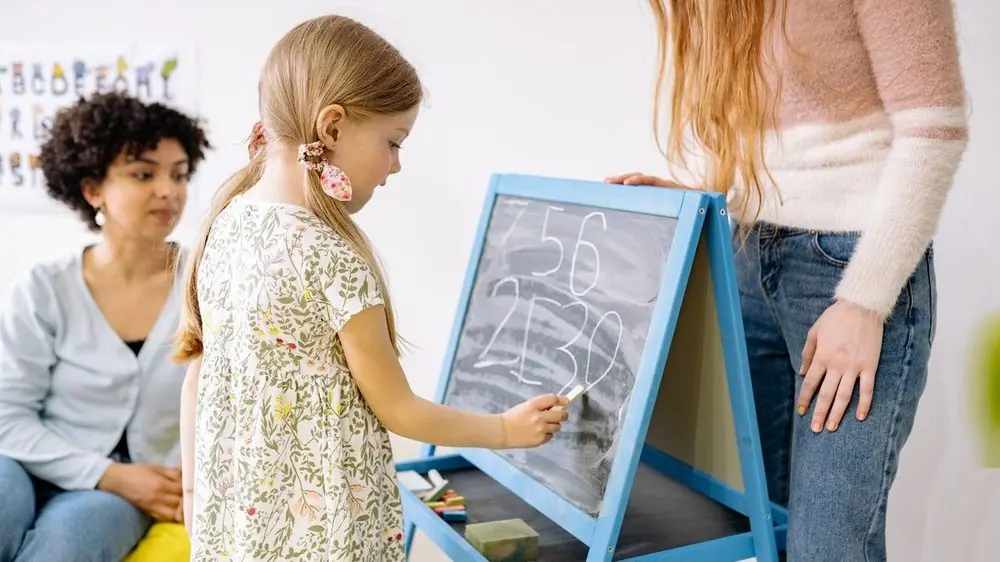
Curious children learn faster, and curiosity is a skill you can feed. In The Knights' Academy, each week brings hands-on investigations into building, magnets, growing plants, the weather and simple coding games, alongside free art, music, movement and pretend play.
At home, let your child test what sinks and floats, build ramps for toy cars, mix paint colors and act out stories. These activities build the questioning, testing and problem-solving that carry into every subject. Our guides STEM in Preschool: What It Looks Like and Why It Matters and Easy STEM Activities for Preschoolers (Ages 3 to 5) have plenty of ideas.

Physical Skills That Help in the Classroom
Outdoor play counts too. Climbing, swinging and running games build the strength and coordination that make sitting at a table and holding a pencil easier later on.
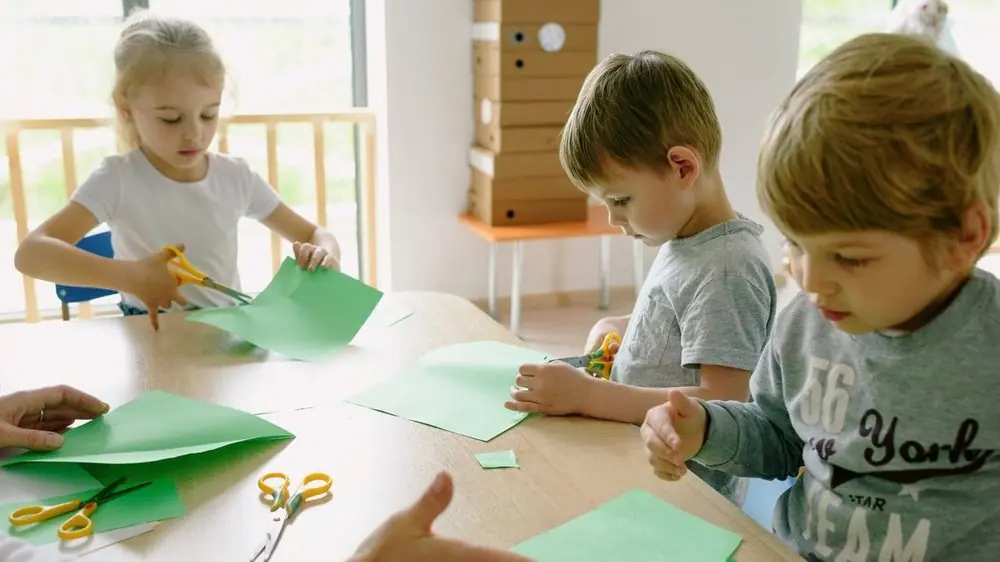
What it looks like. Holding a crayon or pencil with a steady grip, using child-safe scissors along a line, threading beads and squeezing play dough for the small muscles; running, jumping, climbing and balancing for the big ones.
Why teachers care. Writing, cutting and gluing fill a kindergarten day, and children who can sit comfortably and use their hands with confidence join in without frustration.
Try at home. Play dough, beads, scissors and crayons on the kitchen table; the playground, a ball and a balance beam made from a line of tape on the floor.
Kindergarten Milestones Are a Range, Not a Deadline
Every child grows at their own pace, and very few children have every skill on this list before kindergarten. Some read early but find sharing hard; others are kind, steady friends who are still learning letters. Both are normal, and both will be met where they are.
If you are unsure, our guide Is My Child Ready for Kindergarten? Signs to Watch For walks through the signs to look for, and your child's teachers can tell you where they are now.

How The Knights' Academy Builds These Skills
The Knights' Academy, EduCastle's Preschool & Pre-K program for children aged 2 to 5, covers literacy, math, STEM, creativity, social-emotional skills and readiness habits. Teachers track each child's progress throughout the year, families meet with teachers for conferences twice a year, and every Pre-K child leaves with a written summary of their skills and next steps, so you know exactly where your child stands before school begins.

Key Takeaways for Parents
- Kindergarten entry in Maryland is based on age, not a test.
- Helpful skills span early literacy, math, social-emotional skills, readiness habits, STEM, creativity and physical skills.
- Everyday play and routines are the best practice.
- Every child develops at their own pace, so use this guide as a map, not a test.
Related guides
- Is My Child Ready for Kindergarten? Signs to Watch For
- STEM in Preschool: What It Looks Like and Why It Matters
- Kindergarten Readiness Checklist: A Complete Guide for Parents
Visit The Knights' Academy
See how kindergarten skills are built through play. Schedule a tour, call (301) 202-2705 or text (240) 579-2027. We're open Monday to Friday, 7:30 AM to 6:00 PM, and weekend tours are available by appointment.
Frequently Asked Questions
Does My Child Need to Read Before Kindergarten?
No. Reading is taught in kindergarten and beyond. Before then, it helps if your child knows some letter sounds, recognizes their own name and enjoys listening to stories.
Should My Child Be Able to Write Their Name?
It helps. Name writing is one of the early literacy skills in our Pre-K learning focus, but many children are still practicing their letters when they start kindergarten, and that is completely normal.
Does EduCastle Help With Kindergarten Readiness?
Yes. The Knights' Academy builds literacy, math, social-emotional skills and readiness habits, and every Pre-K child leaves with a written summary of their skills and next steps.