

Is my child ready for kindergarten? If you are asking that question, you are already doing what matters most: paying attention to your child as a whole person, not just their birthday. Being ready for kindergarten is about more than age, and the signs are often easier to spot at home than you might think.
This guide from EduCastle Learning Center in Silver Spring, MD covers the signs that a child is ready, the signs they may need a little more time, a quick quiz for parents, and how to support your child either way.
What Ready for Kindergarten Really Means
In Maryland, a child must be 5 years old or older on September 1 to start public school kindergarten (COMAR 13A.08.01.02), so eligibility is set by age. Our guide When Do Kids Start Kindergarten in Maryland? Ages and Cutoff Explained explains the cutoff and the options around it.
Readiness is different. It is the mix of skills, habits and confidence that helps a child settle into a classroom. Nobody tests it at the door; once school starts, Maryland's Kindergarten Readiness Assessment gives teachers a snapshot of each child, which our guide to the KRA explains. For a full breakdown of the skills by area, see What Should Kids Know Before Kindergarten? Skills by Area.

Signs Your Child Is Ready for Kindergarten
Most of the signs show up in ordinary moments: getting dressed, playing with a cousin, listening to a bedtime story. Here are the five that matter most.
They Can Follow Simple Routines and Directions
A child who can follow two- and three-step directions, like "Put your shoes on, grab your bag and wait by the door," is well prepared for the routines of a school day. Listening while someone else talks is part of this too.
They Can Manage Big Feelings With Some Help
No five-year-old is calm all the time. A good sign is that your child can name how they feel and calm down with a little support, rather than staying upset for a long time.
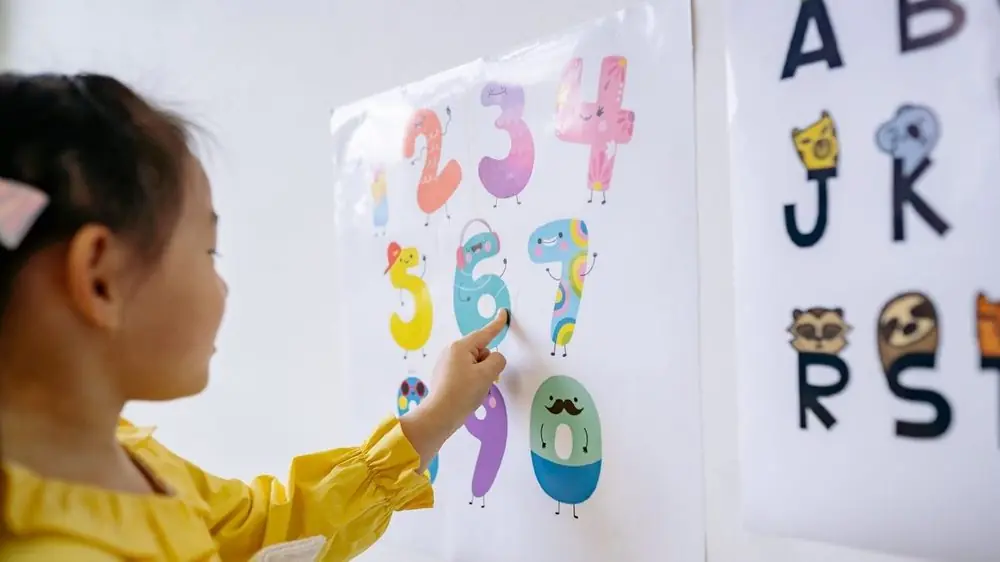
They Are Curious About Letters and Numbers
Interest matters more than mastery. A child who asks what a sign says, notices the first letter of their name or counts toys for fun is showing the curiosity that kindergarten builds on.
They Can Take Care of Basic Needs
Putting on a coat, washing hands, opening a lunchbox and using the bathroom with growing independence all help a child feel capable in a room with one teacher and many children.
They Can Play and Share With Other Children
Taking turns, joining a game and solving small disagreements with words are strong signs of readiness. These social skills help children enjoy school from the very first week, and they make it easier to ask a teacher or a classmate for help when something is new or confusing.

Signs Your Child Is Not Ready for Kindergarten Yet
Some children need a little more time, and that is nothing to worry about or to feel judged for. Signs your child may benefit from extra support include:
- Separations that stay very hard for a long time, even after a settling-in period
- Frequent frustration with simple directions or routines
- Very little interest in playing with other children
- Difficulty sitting for a short story or activity
It also helps to remember that a child who is tired, unwell or adjusting to a big change at home, like a new sibling or a move, may seem less ready for a while. Look at how your child does over several weeks rather than on one hard day.
One sign on its own rarely means a child is not ready. If you notice several, talk with your child's teachers or pediatrician, who can help you decide on next steps.

A Quick Kindergarten Readiness Quiz for Parents
Answer yes or no to each question:
- Can my child follow a two- or three-step direction?
- Can they name a feeling and calm down with some help?
- Do they show interest in letters, numbers or books?
- Can they manage coats, handwashing and the bathroom with growing independence?
- Can they take turns and play alongside other children?
- Can they sit for a short story or activity?
This is not a test, and there is no passing score. It is simply a way to notice where your child is confident and where a little more practice could help.
Mostly yes? Your child is likely on track. A few no answers are normal, and they simply show you what to practice over the next few months.

What If Your Child Has a Late Summer Birthday?
A child born in late August will usually be one of the youngest in their class. In Maryland, a parent or guardian can file a written request with the local school system to delay a 5-year-old's attendance by one year because of the child's level of maturity (Maryland Education Article, Section 7-301). Talk with your child's teachers before deciding, as they see your child in a group setting every day, and remember that plenty of young-for-their-year children thrive.

How to Help Your Child Get Ready for Kindergarten
- Read together every day and talk about the story.
- Practice simple routines, like getting dressed and packing a bag.
- Set up play dates so your child can practice sharing and taking turns.
- Talk positively about kindergarten and visit the school playground if you can.
- Give small jobs with two or three steps to follow.
For a full list of skills to work on, read our Kindergarten Readiness Checklist: A Complete Guide for Parents.
How EduCastle Helps You Know Where Your Child Stands
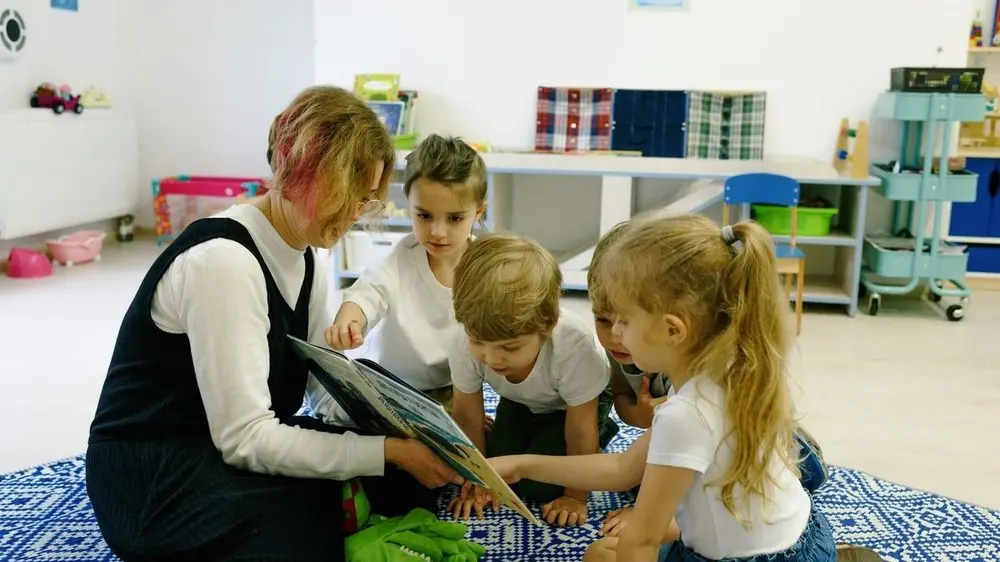
In The Knights' Academy, our Preschool & Pre-K program, teachers track each child's progress all year and meet with families for conferences twice a year. Every Pre-K child leaves with a written summary of their skills and next steps, so you have a clear picture before kindergarten begins, rather than a guess.

Key Takeaways for Parents
- Kindergarten eligibility in Maryland is based on age; readiness is about skills, habits and confidence.
- Look for routines, feelings, curiosity, self-care and play with others.
- A few gaps are normal and show you what to practice.
- Your child's teachers are your best partners in deciding next steps.
Related guides
- What Should Kids Know Before Kindergarten? Skills by Area
- When Do Kids Start Kindergarten in Maryland? Ages and Cutoff Explained
- Maryland Kindergarten Readiness Assessment (KRA): What Parents Should Know

Visit The Knights' Academy
See how we help children get ready for kindergarten. Schedule a tour, call (301) 202-2705 or text (240) 579-2027. We're open Monday to Friday, 7:30 AM to 6:00 PM, and weekend tours are available by appointment.
Frequently Asked Questions
What Are the Most Important Signs of Kindergarten Readiness?
Following simple directions, managing feelings with some help, curiosity about letters and numbers, basic self-care and playing well with other children. Together, these help a child settle into a classroom.
Is My Son or Daughter Ready for Kindergarten?
The signs of readiness are the same for every child. Rather than comparing your son or daughter with siblings or classmates, look at how your own child handles routines, feelings, friendships and early learning over several weeks.
Should I Worry If My Child Still Has Big Feelings?
Not usually. Big feelings are normal at this age. What matters is that your child is learning to name them and calm down with support, which teachers help with every day.
How Will I Know If My Child Is Ready at EduCastle?
Teachers track progress all year, families have conferences twice a year, and every Pre-K child leaves with a written summary of their skills and next steps.