




Where little learners become Knights of Knowledge
Full-day care and early learning in Silver Spring, Maryland, for children six weeks to twelve years. Now enrolling in all four programs.

What you’d see if you stopped by
EduCastle is a licensed early learning center on Pear Tree Lane in Silver Spring, for children from six weeks through twelve years. Four programs, each in their own rooms, each with a teaching team that stays together for the whole year, so your child isn't starting over with a new adult every few months.
The days are hands-on. Children pour and measure, build ramps to find out which car goes furthest, sound out words on the carpet, and argue about whose turn it is until they work it out. Teachers plan around what the children are already curious about, which is how the block corner ends up being a hospital one week and a bus depot the next.
And we keep you close to all of it. You'll get photos and a short note during the day, and a real conversation at pickup, including on the days that were hard.
- Credentialed teachers who stay with your child all year
- Small groups and low ratios in every single room
- Honest daily updates on good days and hard ones
A room built for every age we take
What a six-month-old needs and what a six-year-old needs have almost nothing in common, so we don't pretend otherwise. Each room is set up, staffed and planned for the children in it.
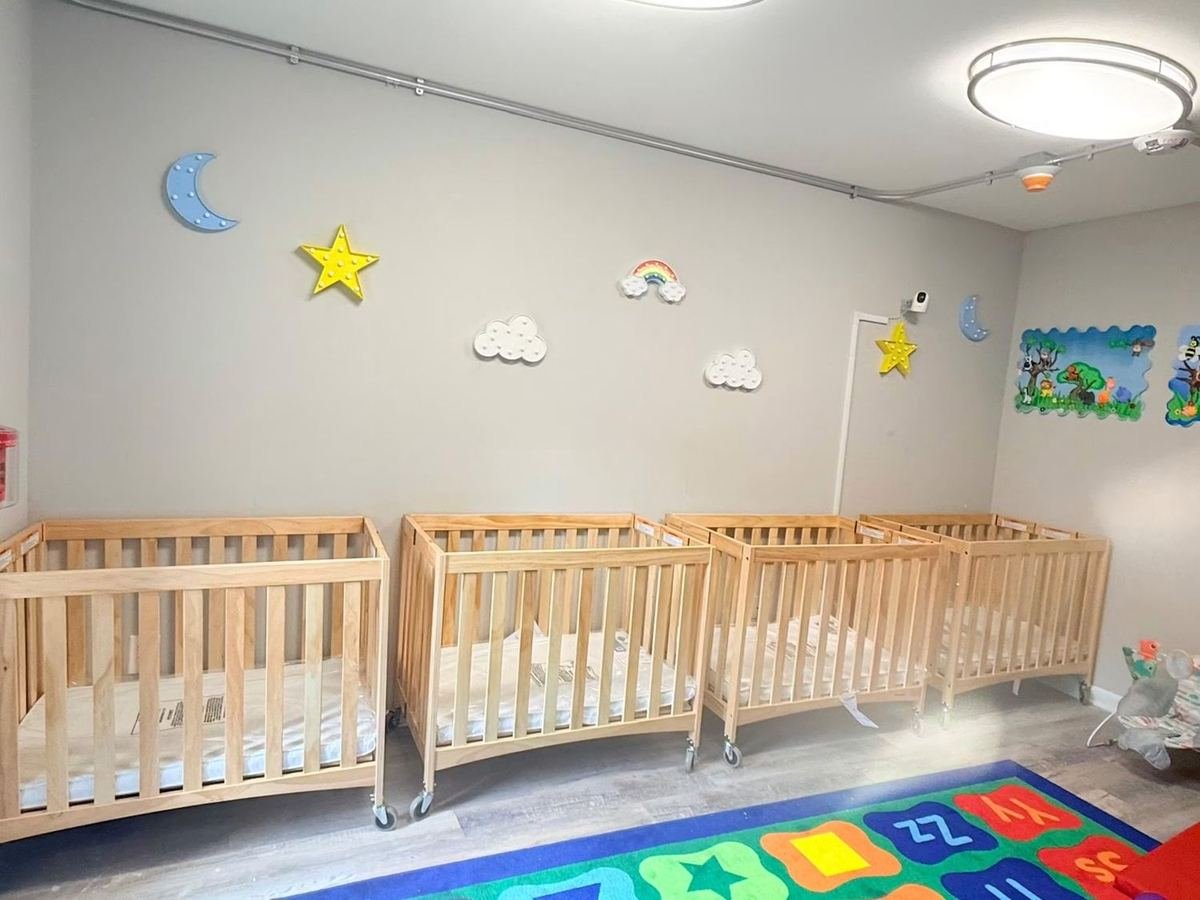 6 weeks – 17 months
The Royal Nursery
Infants
Your baby's own schedule, not ours. Feeding and sleeping on demand, tummy time, songs, and a great deal of being carried around.
See the room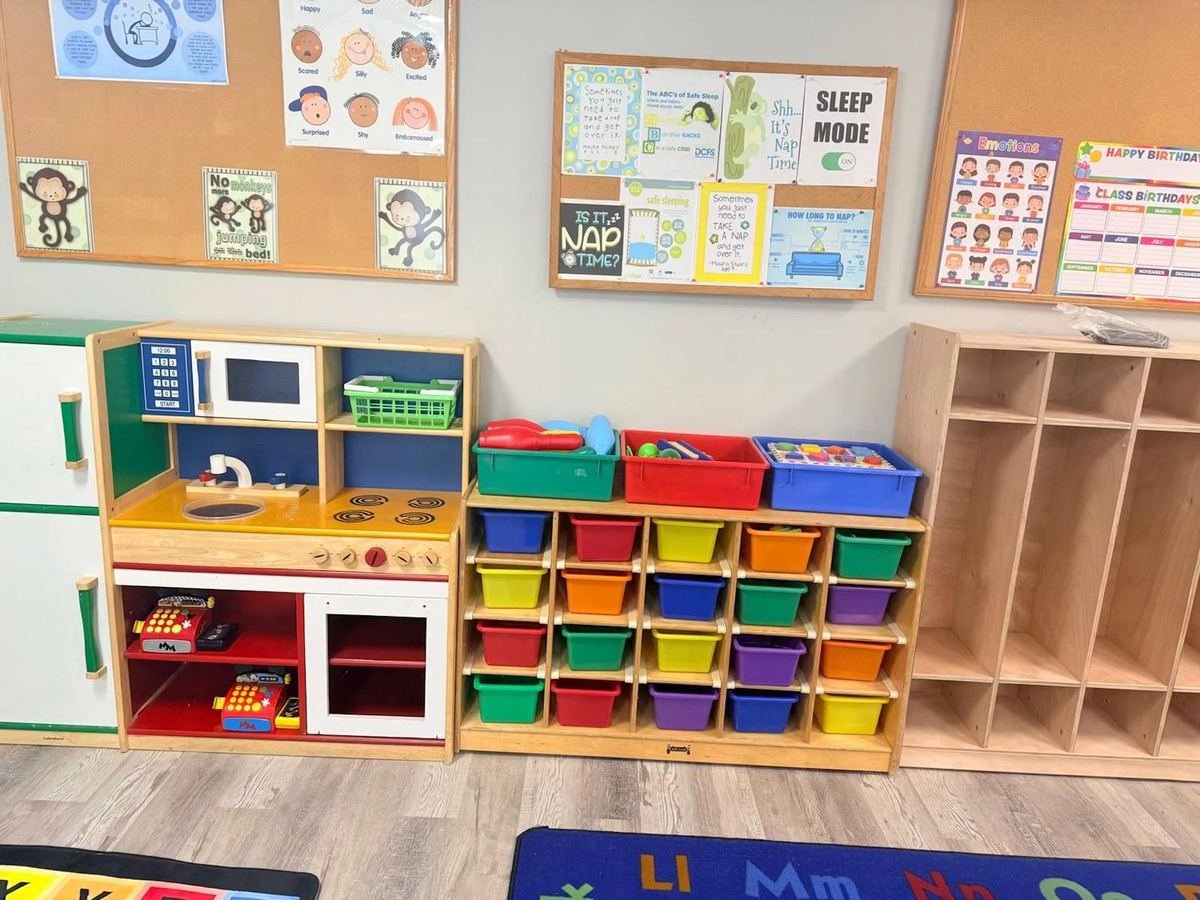 18 – 23 months
The Squires' Stable
Toddlers
Busy hands and enormous feelings. Climbing, first words, deliberately messy sensory play, and the beginnings of doing it themselves.
See the room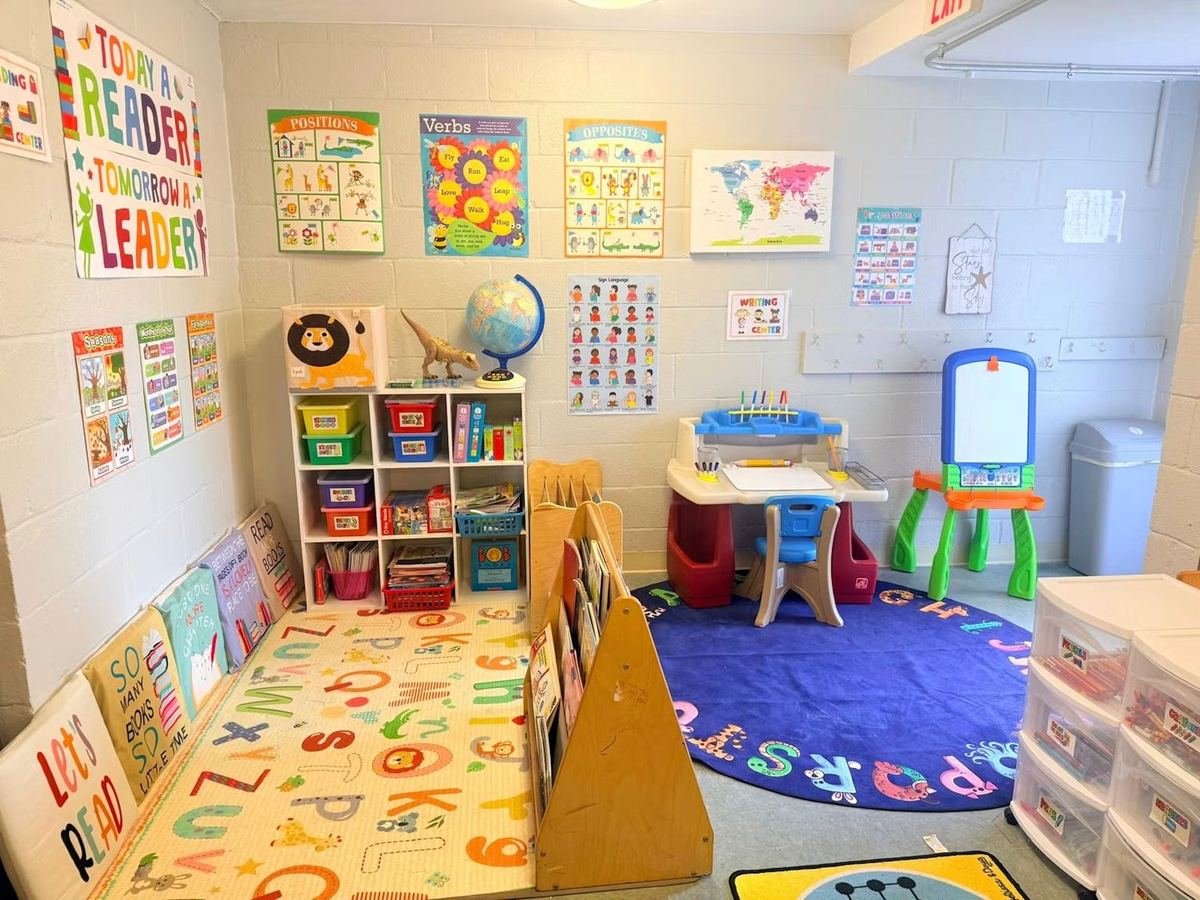 2 – 5 years
The Knights' Academy
Preschool & Pre-K
Letters and numbers, experiments that make a mess, and the hard work of learning how to be a friend. The runway into kindergarten.
See the room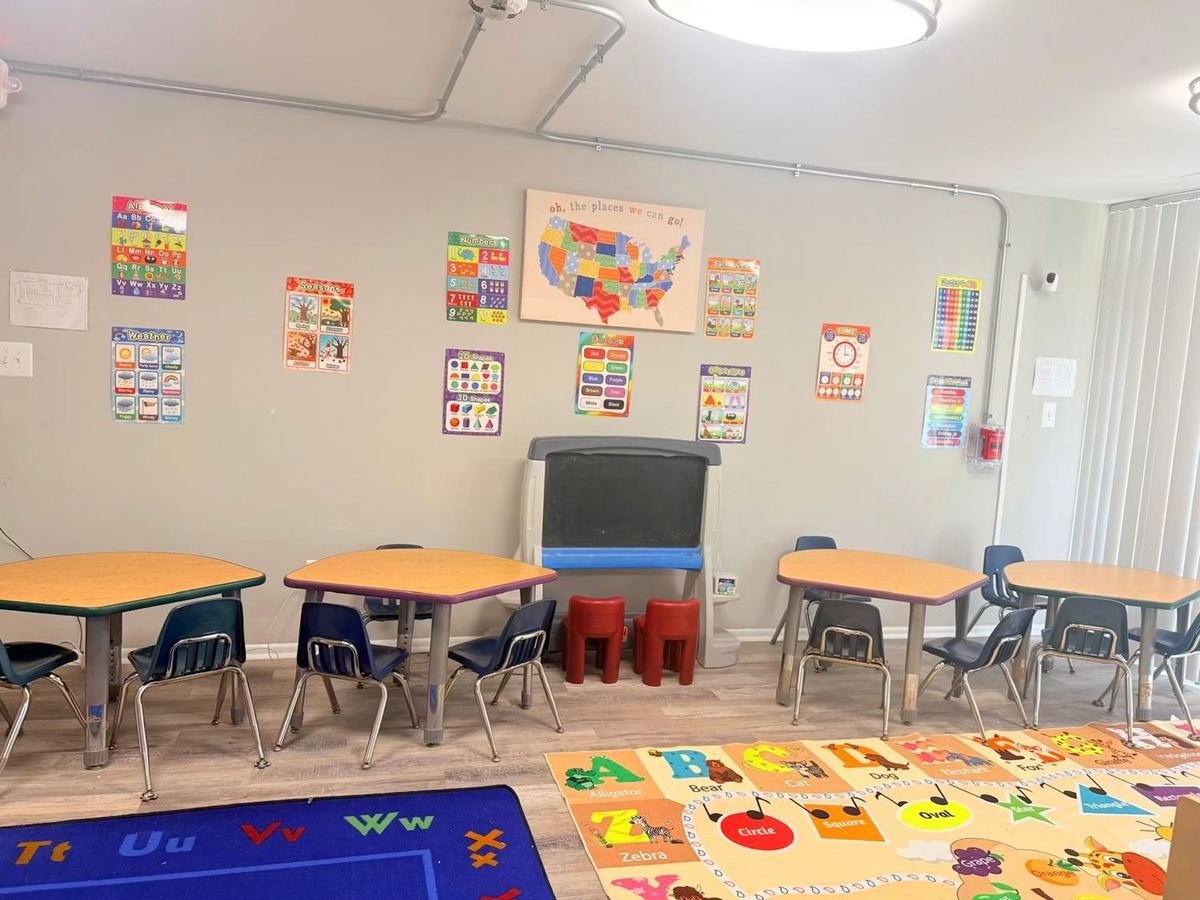 5 – 12 years
The Royal Guild
School-Age
Before and after school. Homework gets done first, then it's building, games, and being off duty for a while.
See the roomWhat all the play adds up to
Four things. Every project and every question a teacher asks ladders back to one of them.
STEM Learning
Ramps, magnets, water tables and simple coding games. Children guess what will happen, try it, and find out they were wrong. That is the point.

School Readiness
Letters and sounds, counting, holding a pencil, sitting through a whole story. The unglamorous skills kindergarten teachers ask for.

Creativity
Art with no model to copy. Instruments played badly and very loudly. Cardboard for building something far too big for the room.

Social-Emotional Growth
Naming a feeling before it turns into a bite. Waiting, sharing, and getting back up after a bad morning.


The same shape every day, never the same day
Young children settle when they know what is coming next. The shape of our day barely changes from week to week. What happens inside it changes constantly.
Arrival, Warm-Up & Breakfast
Indoor activities as children arrive, a morning stretch, then breakfast served by the center.
Circle Time, Learning & Outdoors
Morning meeting, the week’s theme in a whole group, outdoor play, then small-group centers.
Lunch
Packed lunches from home, kept cold and warmed up, eaten together while everyone practices cleaning up after themselves.
Nap, Then Snack
Nap or quiet activities for non-sleepers, then an afternoon snack from the center.
Sharing, Stories, Outdoors & Pickup
News and sharing time, storytime, a second block outside, music and movement, a late snack, and a recap for every family at the door.
The real Monday-to-Friday rhythm, condensed from the parent handbook. Infants follow their own feeding and sleeping schedules.
Every room in the building has a name
Not a gimmick painted on afterwards. A three-year-old who is nervous about the hallway is much braver about Dragon’s Pass, and a child who has spent a year in the Squires’ Stable knows exactly what moving up to the Knights’ Academy means.
Where you arrive
- The Royal Gatehouse
- Reception, keypad and sign-in
- The Grand Hall
- The lobby, where drop-off happens
- The Noble’s Lounge
- Somewhere to wait, and to talk
- Castle Corridor
- The main hallway between rooms
Where they learn
- The Wizard’s Library
- The reading corner
- The Wizard’s Laboratory
- The science table
- The Castle Builders’ Guild
- The block centre
- The Artisan’s Workshop
- The art room
- The Minstrel Hall
- Music and movement
Where they play and eat
- The Royal Courtyard
- The playground
- The Enchanted Forest
- The sensory area
- The Knights’ Training Grounds
- The gym
- The Royal Kitchen
- Where breakfast and snacks come from
- The Royal Infirmary
- The nurse’s room
Every classroom door carries its own coat of arms and its own colour, and every child belongs to a house: Lionheart, Dragonfire, Unicorn, Falcon, Griffin or Stag. It is the same idea as the pop-up castle at the top of this page: the building is a story your child is inside, and they know their part in it.
The first two weeks are the hard part
Almost every child cries at drop-off at some point, and almost every parent sits in the car park afterwards feeling terrible. Here is how we get through it together.
-
1
Two visits before day one
You and your child come in twice for an hour while the room is running, so the first real morning is not also the first time they have seen the place.
-
2
A text ten minutes after you go
Short goodbyes work best, and they are also the worst. So we message you once they have settled, usually with a photo, usually within ten minutes.
-
3
A shorter first week, if it helps
Half days, late starts, a comfort toy from home, whatever eases it. Most children are walking in without a backward glance inside a fortnight.
Bright rooms, busy hands
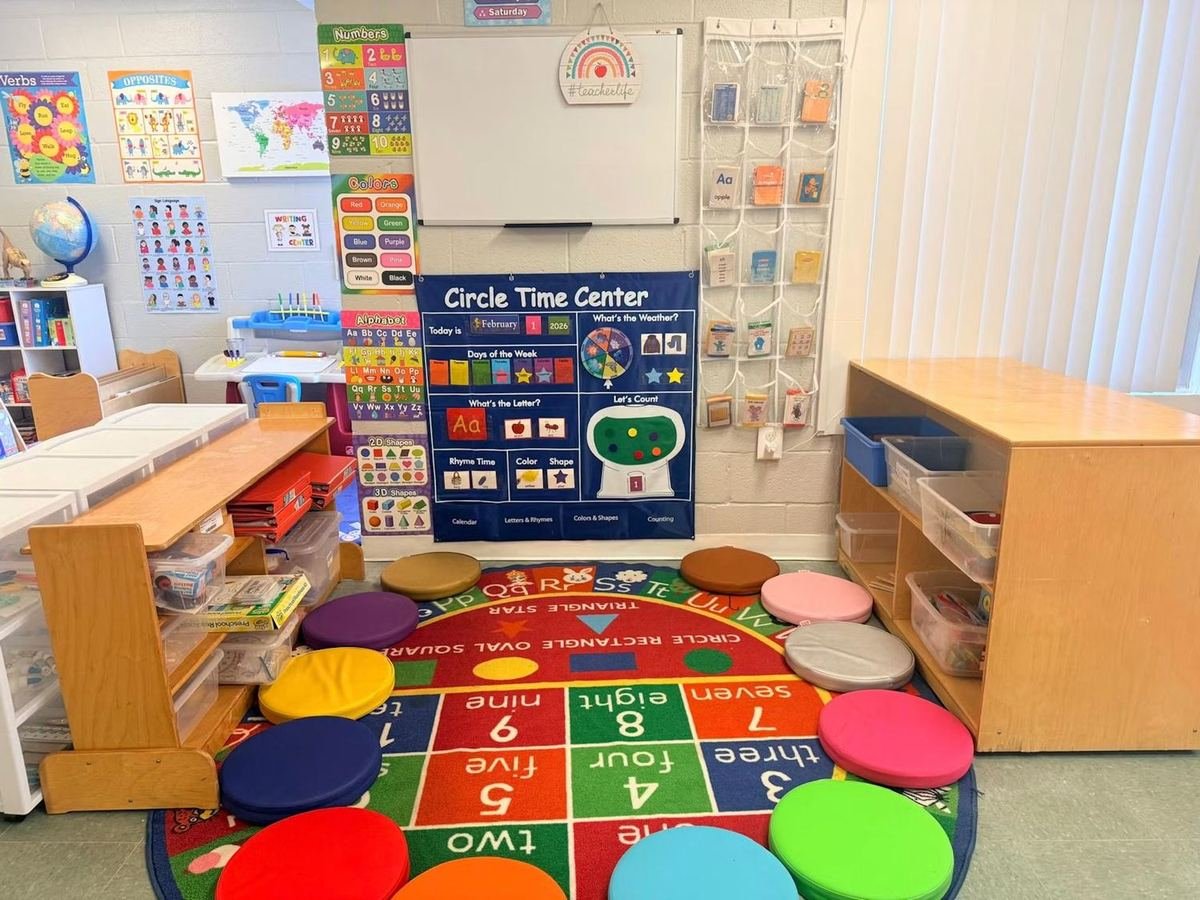
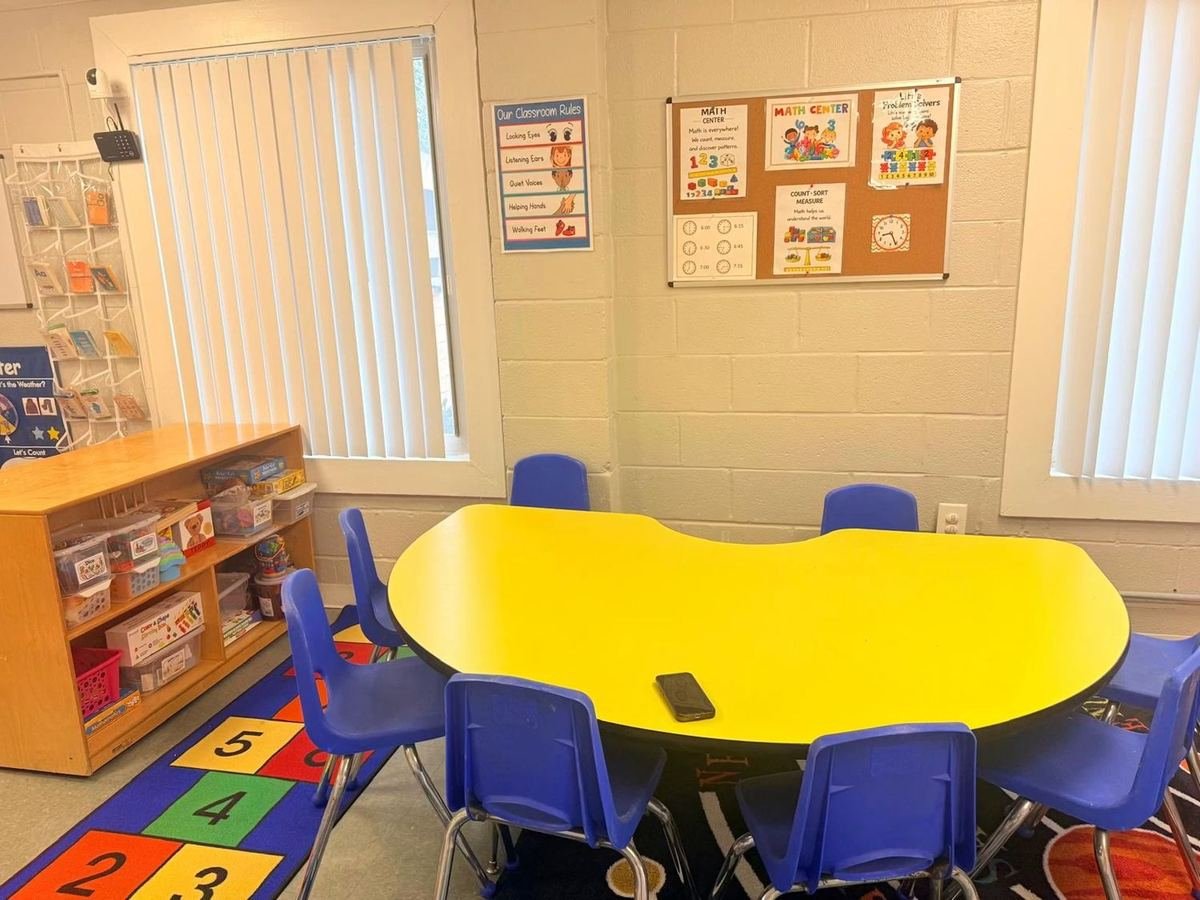
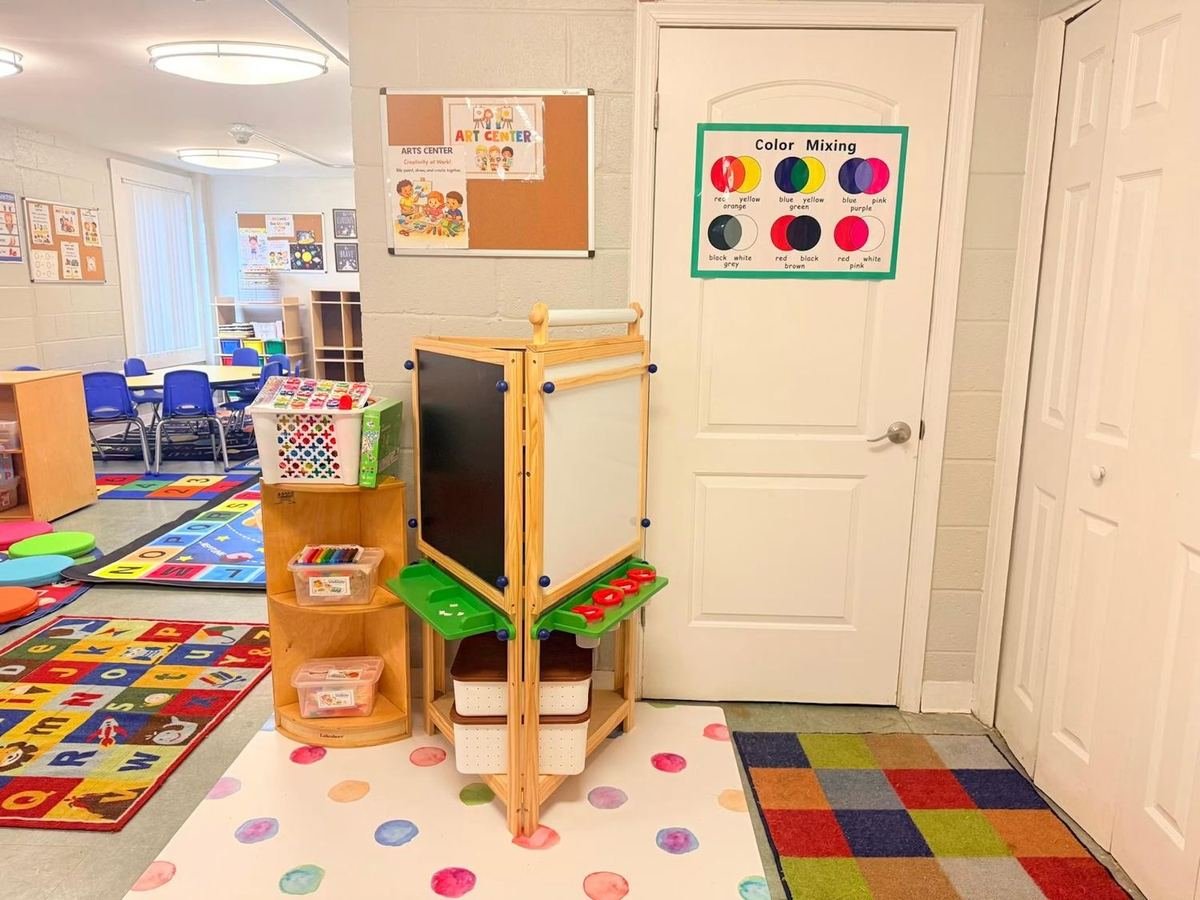
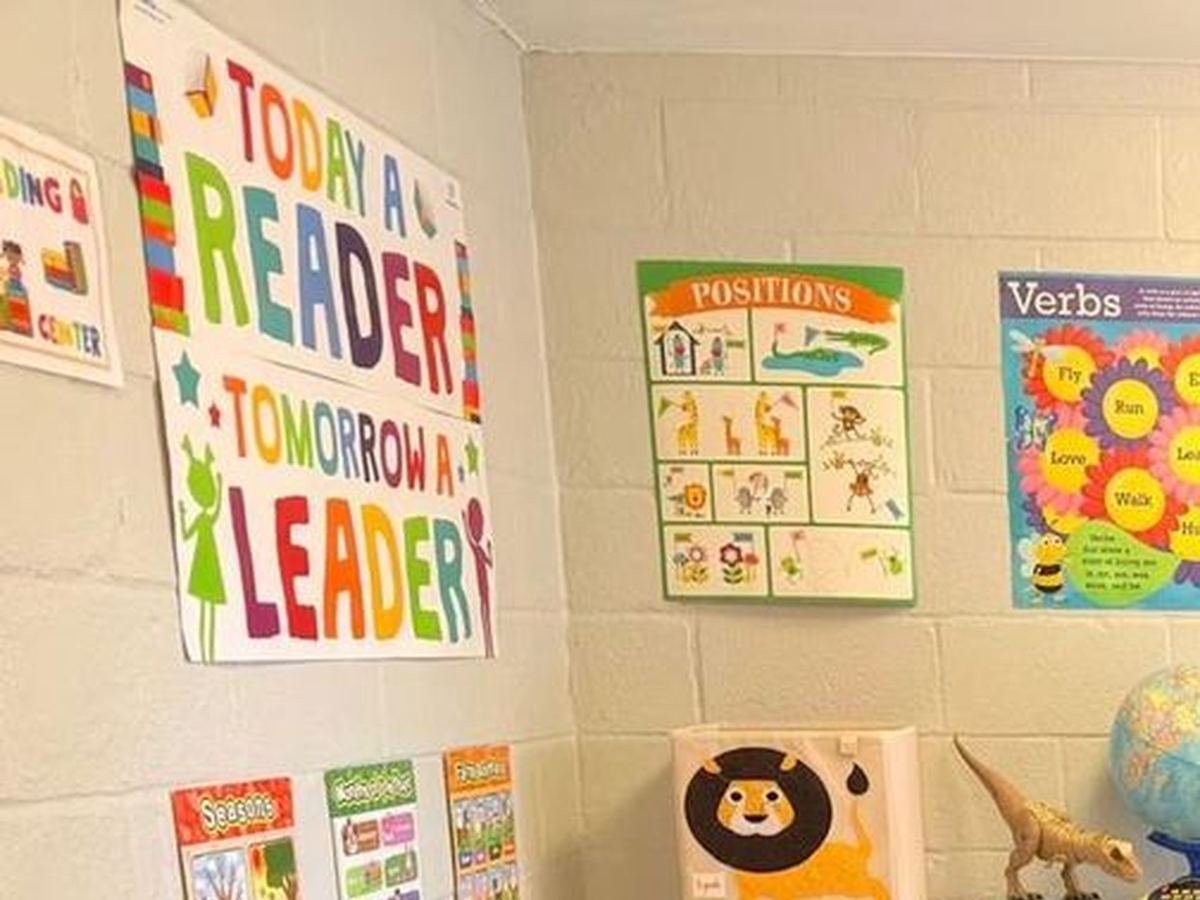
Real photographs of the rooms, taken before the children arrived. Want the full walk-through instead? Take the tour of the castle.
What families tell us
What parents say when we ask them how the first month went.
“She walks in every morning and doesn’t look back. Three months in she was counting to twenty and explaining magnets to her grandfather. That’s all I wanted.”
“Leaving a four-month-old was the hardest thing I’ve done. The photos during the day and the honesty at pickup got us through the first month.”
“Homework is finished before I get there, and he still has time to build something ridiculous out of cardboard. I don’t know how they manage both.”
Come and see it on a normal Tuesday
Weekdays during normal hours, or Saturday and Sunday by appointment. Half an hour, no tidying up beforehand. Bring your child, meet the teachers, and ask us the awkward questions.