
If your child is turning five soon, you have probably started wondering whether they are ready for school. A kindergarten readiness checklist can help. It turns a big, vague question into a list of everyday skills you can see at home: letters and sounds, counting, holding a pencil, sitting through a whole story, and getting along with other children.
At EduCastle Learning Center in Silver Spring, MD, kindergarten readiness is one of our four focus areas, alongside STEM learning, creativity and social-emotional growth. This guide explains what kindergarten readiness means in Maryland, which skills belong on your checklist, and how our preschool and Pre-K program prepares children for the year ahead.
What Is Kindergarten Readiness?
Kindergarten readiness is the mix of learning, social and physical skills that help a child settle into the kindergarten classroom and take part from the first day. Think of the unglamorous skills kindergarten teachers ask for: letters and sounds, counting, holding a pencil and sitting through a whole story. It also includes habits like listening, staying focused and following directions, plus the social skills to wait, share and get back up after a bad morning.
What Maryland Looks At: The Kindergarten Readiness Assessment
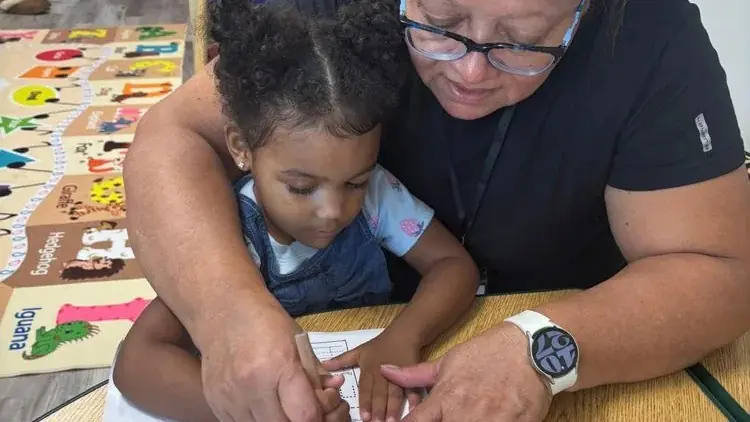
In Maryland, every kindergartner takes the Kindergarten Readiness Assessment (KRA) during the first few weeks of school (Maryland State Department of Education). The current KRA includes a direct assessment of early literacy and math skills, plus an observational assessment of social and emotional development. It uses three tools:
- Star Early Literacy, also available in Spanish
- Star Math, also available in Spanish
- SAEBRS, the Social, Academic, and Emotional Behavior Risk Screener
This updated assessment replaces Maryland's earlier KRA. In 2024, after a study commissioned by MSDE indicated potential bias against multilingual learners, the previous version was placed on hold statewide (Maryland State Department of Education). The redesigned KRA was given for the first time in fall 2025. In the 2025-2026 results, 57% of Maryland kindergartners were classified as Established in early literacy, and 55.3% met readiness expectations in math (Maryland Department of Legislative Services).
When Can My Child Start Kindergarten in Maryland?
To enter public school kindergarten in Maryland, a child must be 5 years old or older on September 1 of that school year. Local school systems can also allow a 4-year-old to start early if the parent requests it and the superintendent's office decides the child shows the capabilities for early admission (Code of Maryland Regulations, COMAR 13A.08.01.02).

The Kindergarten Ready Checklist: Skills That Matter Most
This kindergarten checklist follows the learning focus of The Knights' Academy, our preschool and Pre-K program. The KRA itself looks at early literacy, math, and social and emotional development. We have also included readiness habits, physical skills and creativity, because they are part of our own program's focus. Use it as a guide, not a test. Every child grows at their own pace.
Language and Literacy
Early Math
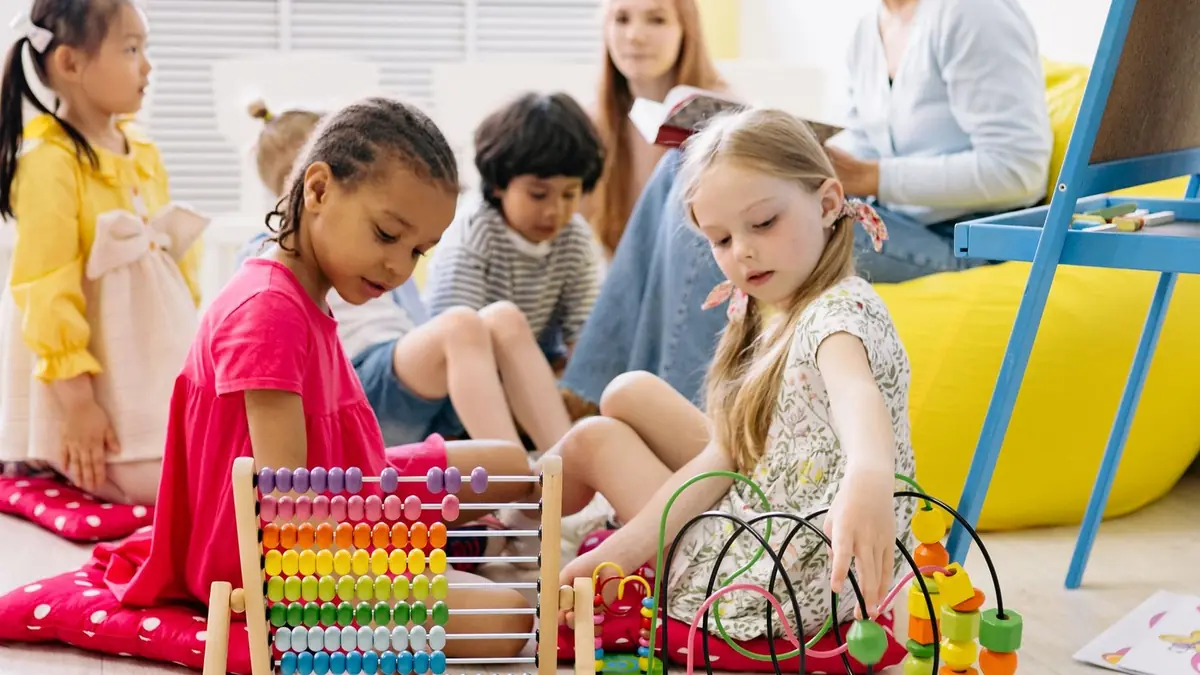
Social and Emotional Skills

Readiness Habits
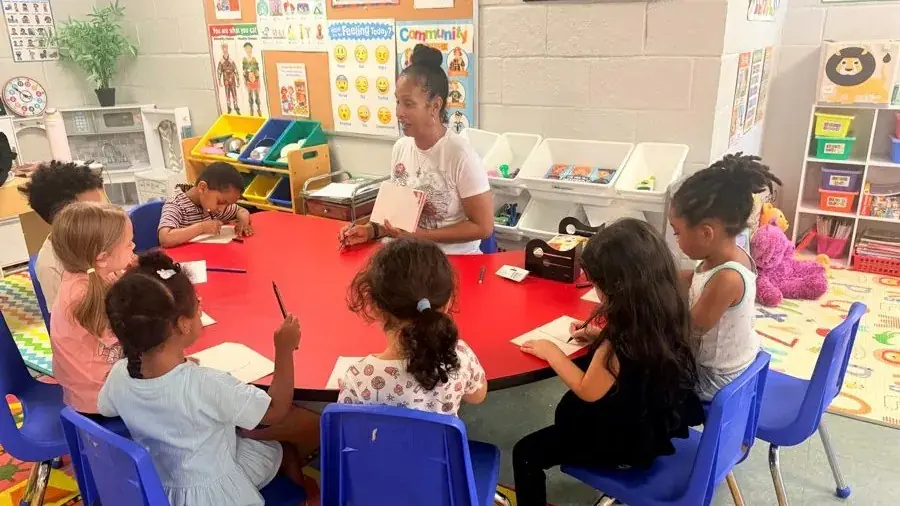
Physical Skills
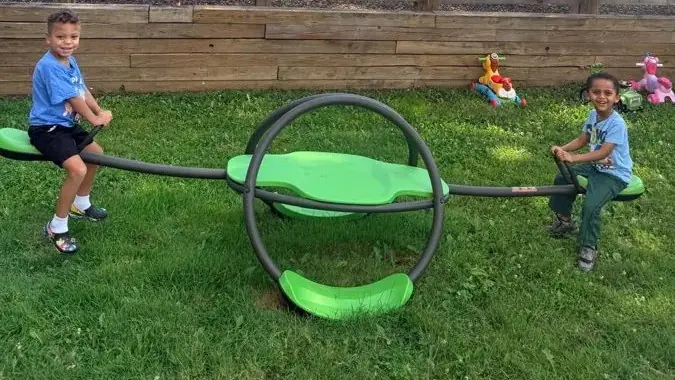
Curiosity and Creativity
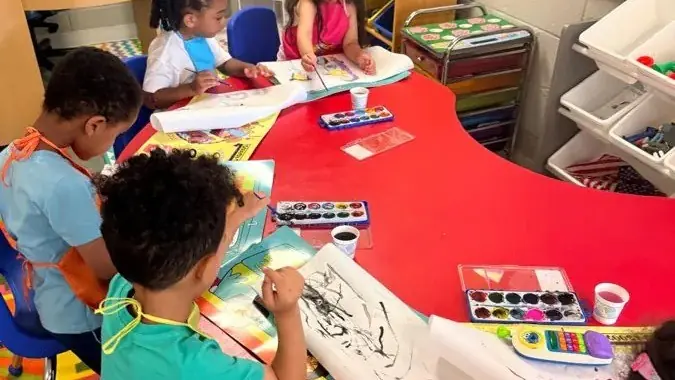
Kindergarten Prep at Home: Getting Ready for Kindergarten Through Play
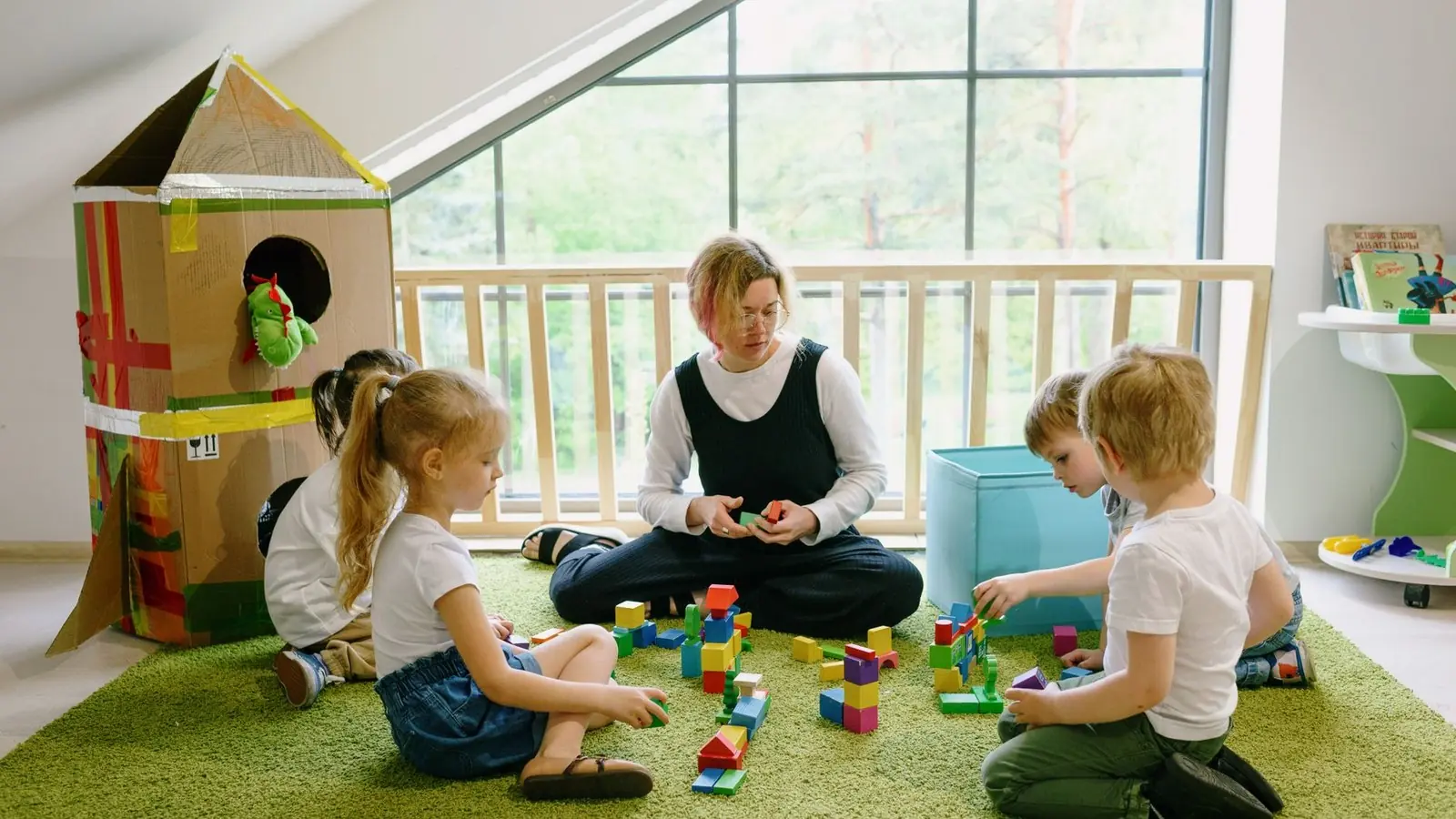
You don't need worksheets to work through this checklist. At EduCastle we believe play is the work: blocks are engineering, dress-up is literacy, and sand and water are physics. The same idea works at home.
- Read together, then ask your child to retell the story. It builds listening, language and the ability to sit through a whole book.
- Count and sort during everyday moments. Snack time, laundry and toy cleanup are full of chances to count, match and sort.
- Give two- and three-step directions. "Put on your shoes, then grab your backpack" is real kindergarten practice.
- Name feelings out loud. Helping your child put words to a feeling is how problem-solving with words begins.
- Let them write their name. On drawings, cards and labels, wherever it fits naturally.

Getting Preschoolers Ready for Kindergarten at EduCastle
The Knights' Academy: Ages 2 to 5
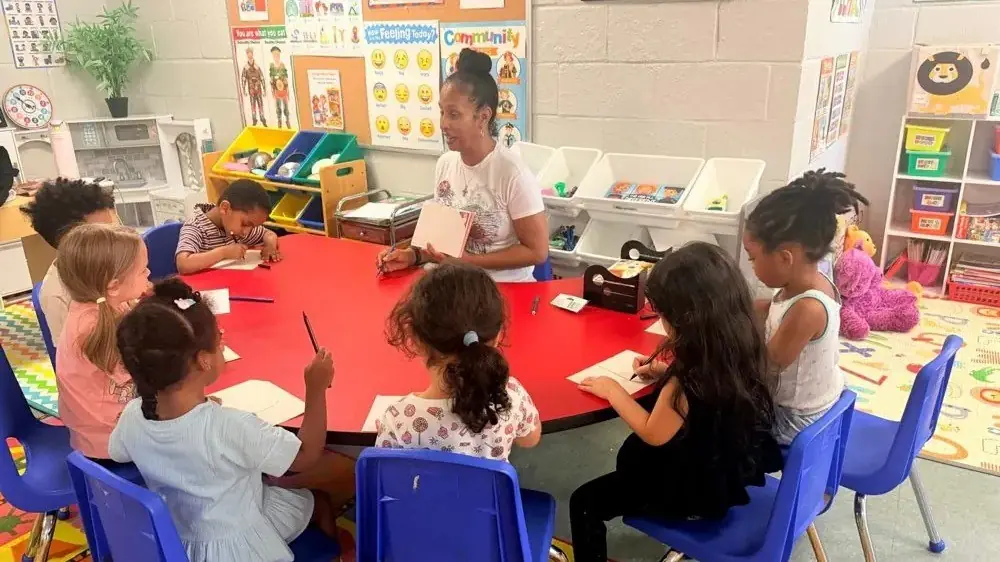
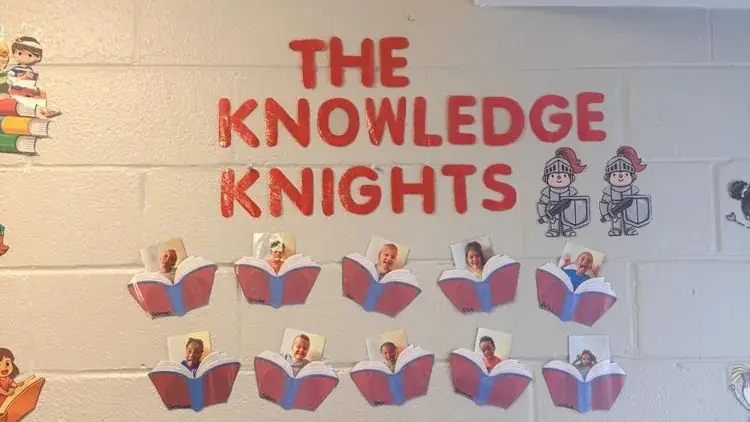
The Knights' Academy takes children from age two, when they join The Young Squires, right up to the start of kindergarten at five. In their first year, younger preschoolers get used to life as part of a group, and they take real pride in doing jobs on their own, like pouring, serving and tidying up. Older children chase their own questions, test ideas through hands-on experiments and start writing stories, sounding out words as they go. For a full guide to the ages, read What Age Is Preschool? Preschool and Pre-K Ages Explained.
Learning That Looks Like Play
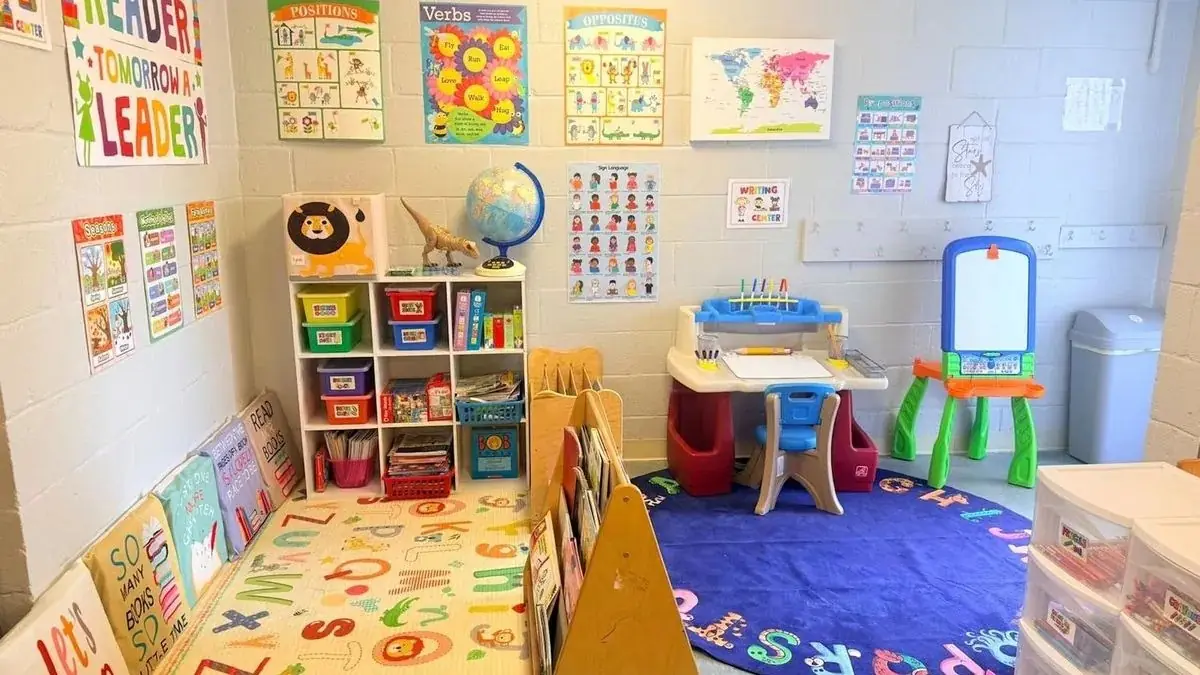
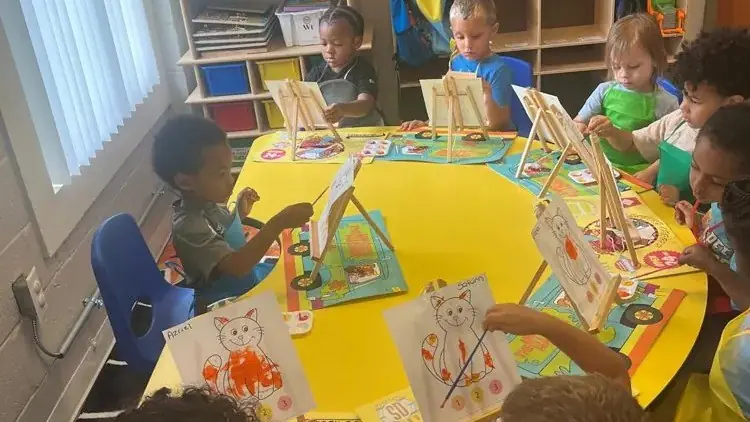
Lessons start from children's questions, not worksheets. Every week includes hands-on STEM, such as building projects, magnets, growing plants, tracking the weather and simple coding games, plus free art, music, movement and pretend play. Each project connects back to one of our four focus areas, including kindergarten readiness.
Small Groups, Licensed Ratios
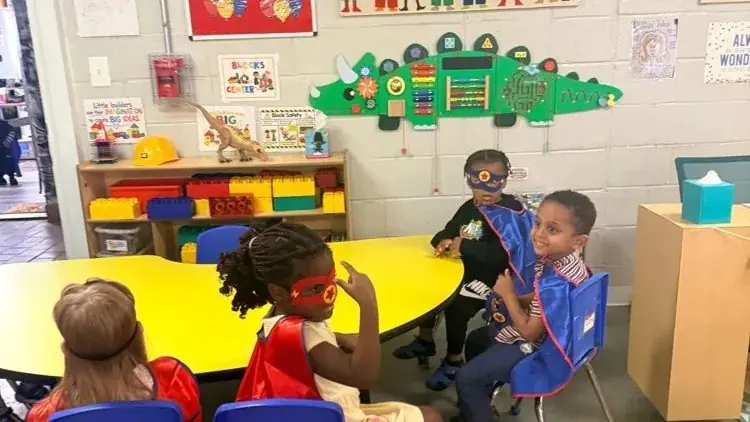
The Knights' Academy runs at Maryland's licensed staff-to-child ratios for each age group or better. Families can choose a full day or part day.

A Real Kindergarten-Readiness Snapshot
Teachers track each child's progress throughout the year, so you get a clear, honest picture rather than a general reassurance. Every Pre-K child finishes with a written summary of their skills and next steps, so you know where your child stands before school begins.
Is Your Child Kindergarten Ready? Key Takeaways
- In Maryland, children start kindergarten at 5 years old on or before September 1.
- The KRA looks at early literacy, math, and social and emotional development.
- Your kindergarten readiness checklist should cover letters, numbers, feelings, focus and fine motor skills.
- Play, not pressure, is the best way to prepare, at home and at school.
Still in the toddler years? Our guide Potty Training at Daycare: How It Works and How Parents Can Help covers one of the big milestones before preschool.
Visit The Knights' Academy
The best way to see kindergarten readiness in action is to visit. Schedule a tour, call (301) 202-2705 or text (240) 579-2027. We're open Monday to Friday, 7:30 AM to 6:00 PM, and weekend tours are available by appointment.
Frequently Asked Questions
What Skills Does My Child Need Before Kindergarten?
There is no single test to pass. The skills that help most are early literacy, such as letter sounds and writing their name, early math, such as counting and sorting, social skills, such as taking turns and naming feelings, and habits like listening and following two- and three-step directions.
Does My Child Need to Pass the KRA to Start Kindergarten?
No. The KRA is given in the first few weeks of kindergarten, after children have started. Entry to public school kindergarten in Maryland is based on age: a child must be 5 years old or older on September 1.
How Does EduCastle Track Kindergarten Readiness?
Teachers track each child's progress all year, families have conferences twice a year, and every Pre-K child leaves with a written summary of their skills and next steps.