
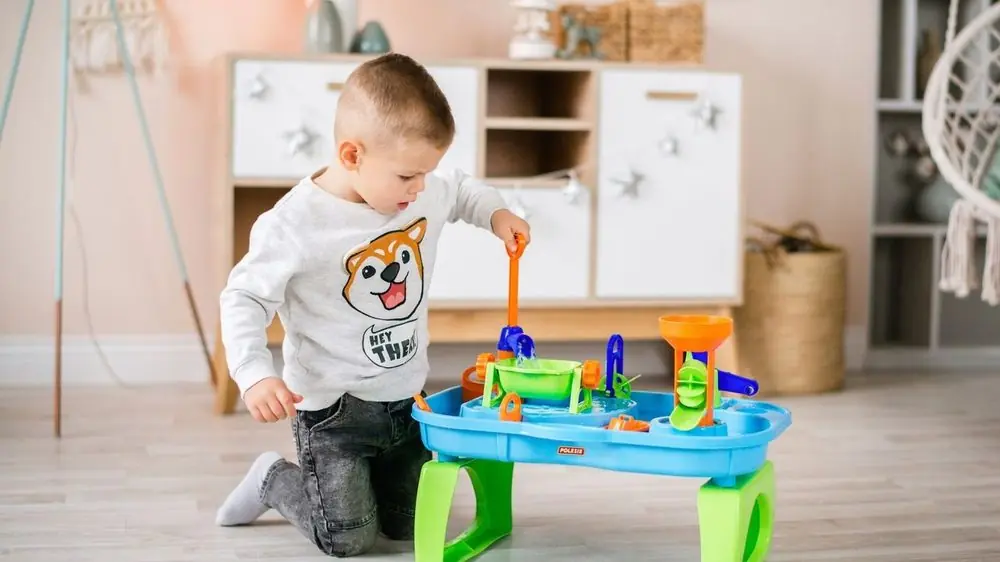
When parents hear the words preschool STEM, many picture robots, screens or worksheets full of numbers, and some quietly worry their three-year-old is already behind. In a good early learning classroom, it looks very different. It looks like a child at the water table with a rock in one hand and a cork in the other, loudly predicting which one will sink.
This guide explains what STEM means for young children, what it looks like day to day at EduCastle Learning Center in Silver Spring, MD, why we build hands-on STEM into every classroom, and how you can support it at home with things you already own.
What Is Preschool STEM?
STEM stands for science, technology, engineering and math. For preschoolers, each one shows up in everyday play rather than in a textbook, and your child is probably doing some of it already.
Science
Science is noticing, guessing and testing. Will the rock sink? Where does the rain go? What happens to a plant if we forget to water it?
Technology
For little ones, technology means simple tools and simple coding games that show how one step leads to the next. A magnifying glass, a measuring cup or a set of step-by-step directions all count. No screen is required.
Engineering
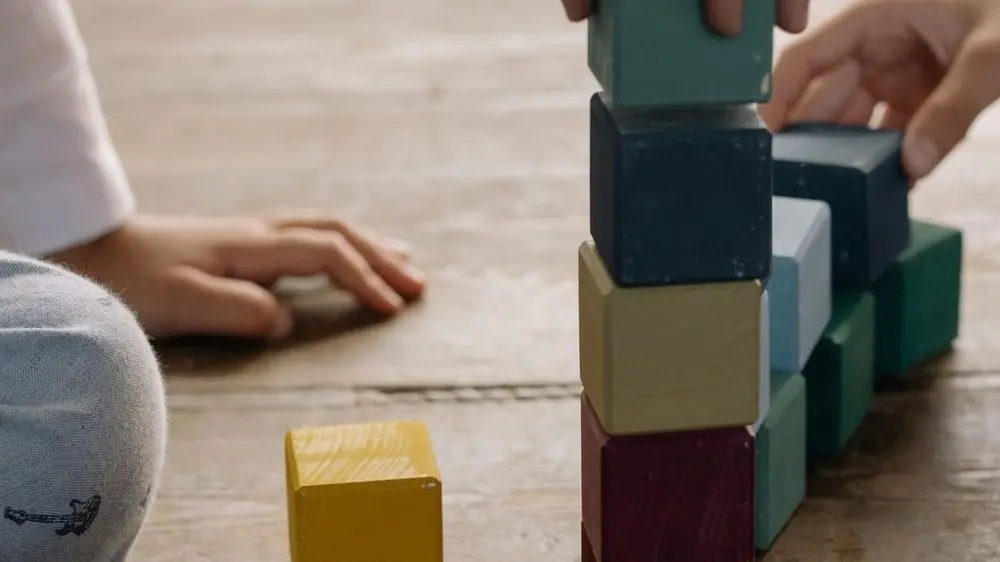
Engineering is building, testing and rebuilding. At EduCastle, we say blocks are engineering. A ramp that sends a car further, or a tower that finally stays up, is real problem-solving.
Math
Math is counting, sorting, measuring and spotting patterns, whether that is measuring puddles after the rain or pouring water from one cup to another. Children learn that a tall thin cup and a short wide cup can hold the same amount by testing it themselves, not by being told.
What STEM Learning for Preschoolers Looks Like at EduCastle
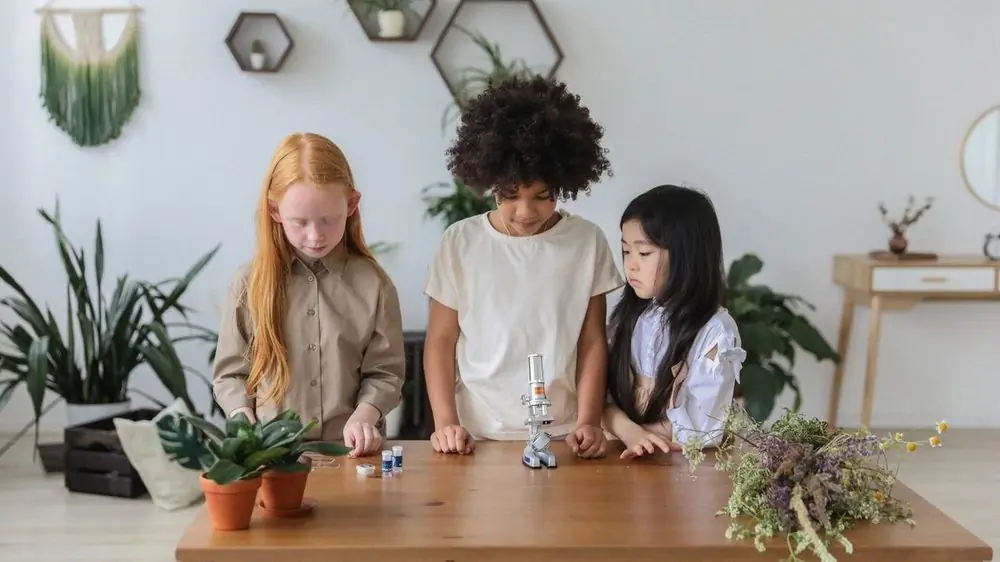
At EduCastle, STEM learning is a daily habit of guessing, trying and finding out, carried through play, planned around children's own questions, and given dedicated corners of the classroom.
Guess, Try, Find Out
Our STEM learning uses ramps, magnets, water tables and simple coding games, and it follows one simple cycle. Children predict what will happen, test it, and often discover their guess was wrong. That surprise is the whole idea, because being wrong and trying again is how real understanding grows.
Play Is the Work
At EduCastle, play is treated as serious learning. Building with blocks is early engineering, dress-up builds language, and sand and water are a first look at physics, so teachers plan play as carefully as other programs plan worksheets. On a normal day, children pour and measure, build ramps to see which car rolls furthest, sound out words on the carpet, and work out together whose turn it is.
Questions, Not Worksheets
Teachers plan lessons around children's questions rather than worksheets. A question like "Where does the rain go?" can turn into two weeks of measuring puddles, drawing pipes and building a drain from guttering, with plenty of new words picked up along the way. Science, reading, art and teamwork all end up in the same project.
Spaces Built for Investigating
EduCastle has dedicated corners for this kind of play, including The Wizard's Laboratory, our science table, and The Castle Builders' Guild, our block center. You can see them on our virtual walk through the building. Because teachers build on what children are already curious about, the same blocks can become whatever the group is fascinated by that week.
A Steady Routine With Room for Questions
Young children feel settled when they know what comes next, so the outline of our day stays the same from week to week. What fills it keeps changing, because each new question can lead to the next investigation.

Pre-K STEM: Weekly Investigations in The Knights' Academy
In The Knights' Academy, our preschool and Pre-K program for children aged 2 to 5, STEM is part of every week. Each week brings hands-on investigations into building, magnets, growing plants, tracking the weather and simple coding games.
Older preschoolers explore questions they came up with themselves, test their ideas through experiments, and write their own stories, sounding out words as they go. STEM sits alongside literacy, math, creativity, social-emotional skills and readiness habits in the program's learning focus.
Before that, toddlers in The Squires' Stable get an early start with ramps and balls, magnets, sink-or-float tests and simple sorting, along with sensory play using water, sand and dough. By the time they reach preschool, guessing and testing already feels natural.
A Preschool STEM Curriculum That Grows With Your Child
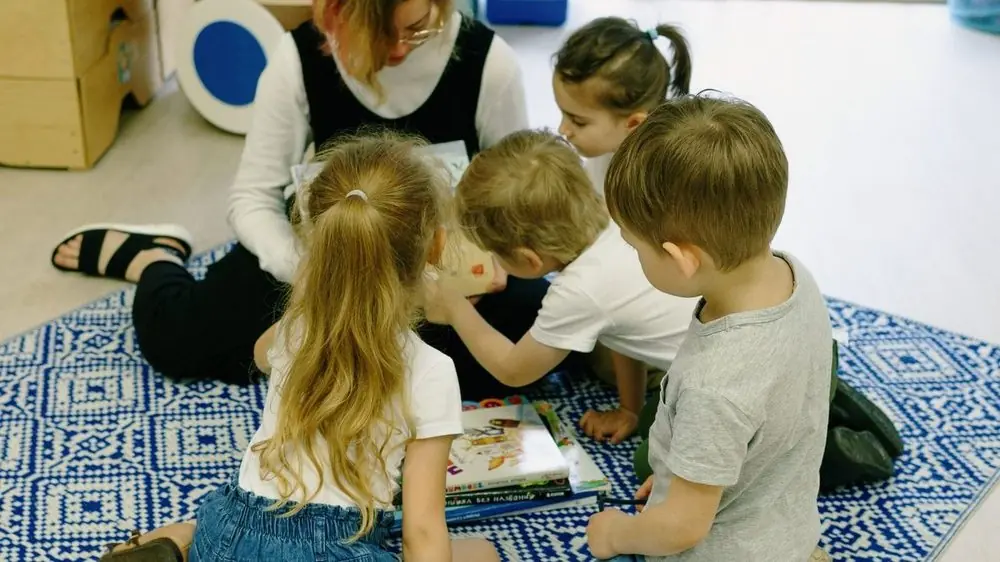
At EduCastle, STEM is part of every room, adapted to each age group:
- Babies in The Royal Nursery explore baskets of different textures, mirrors and toys that react when they are touched.
- Toddlers in The Squires' Stable try ramps, balls, magnets, sink-or-float and sorting, plus sensory play.
- Preschoolers in The Knights' Academy investigate something new each week, from magnets and growing plants to weather and simple coding.
- School-age children in The Royal Guild tackle STEM challenges, robotics-style builds and maker projects.

STEM Preschool Benefits: Why It Matters
Hands-on STEM matters because it turns curiosity into a habit, grows language alongside science, and builds the early math children bring into kindergarten.
Curiosity Becomes a Habit
We put curiosity ahead of sitting still and staying quiet. A child who asks "why?" again and again is building the habit behind every other skill, and hands-on STEM gives those questions somewhere to go.
Language Grows Alongside Science
When children investigate something they care about, they pick up new words naturally, because they need them to explain what they found. That is why a good STEM project often does as much for vocabulary as it does for science.
It Feeds Into Kindergarten Readiness
Counting, sorting, measuring and patterns are all part of the early math children bring into kindergarten. As A. M., one EduCastle preschool parent, put it: "Three months in she was counting to twenty and explaining magnets to her grandfather. That's all I wanted." For the full list of skills that help, see our Kindergarten Readiness Checklist: A Complete Guide for Parents, and for what each skill looks like at four and five, What Should Kids Know Before Kindergarten? Skills by Area.

STEM Education for Preschoolers at Home
You do not need special equipment to keep the learning going at home. A bowl of water and a few household objects make a sink-or-float experiment. A piece of cardboard becomes a ramp. A walk after the rain becomes a puddle investigation. The only rule is to let your child guess first.
Our director, Ms. Sana Ali, is a STEM advocate and the author of the children's book STEM Explorers: Discover, Create, and Learn!, and her book encourages the same hands-on curiosity children practice in our classrooms every day. You can learn more on our director page.

Key Takeaways for Parents
- Preschool STEM is hands-on play: ramps, magnets, water tables, building and simple coding games.
- Children learn by guessing, trying and finding out, including when they are wrong.
- At EduCastle, STEM is part of every room, from cause-and-effect toys for babies to robotics-style builds for school-age children.
- STEM builds curiosity, language and early math for kindergarten.
Related guides
- Easy STEM Activities for Preschoolers (Ages 3 to 5)
- What Should Kids Know Before Kindergarten? Skills by Area
- Kindergarten Readiness Checklist: A Complete Guide for Parents
See STEM in Action
The best way to see preschool STEM is in a real classroom. Schedule a tour, call (301) 202-2705 or text (240) 579-2027. We're open Monday to Friday, 7:30 AM to 6:00 PM, and weekend tours are available by appointment.
Frequently Asked Questions
What Does STEM Look Like for Toddlers?
For toddlers, STEM looks like ramps and balls, magnets, sink-or-float and simple sorting, plus sensory play with water, sand and dough. At EduCastle, that is how STEM starts in our toddler room, The Squires' Stable.
Do Preschoolers Need STEM Kits or Special Equipment?
No. Most preschool STEM uses everyday things: a tub of water, blocks, a piece of cardboard for a ramp, cups for pouring and a few seeds. What matters is the guessing and testing, not the equipment.
How Is STEM Taught in The Knights' Academy?
Through hands-on investigations each week, on topics like building, magnets, growing plants, the weather and simple coding games, all planned around the questions children are already asking.