
Thinking about preschool for your two- or three-year-old? A preschool readiness checklist can help you see where your child is now and what to practice before the first day, without turning it into a worry. Readiness at this age is less about letters and numbers and more about everyday independence, communication and comfort around other children.
This guide from EduCastle Learning Center in Silver Spring, MD walks through the signs to look for, activities to try at home and tips for the first weeks. At EduCastle, preschool begins at age two in The Young Squires, the younger room in The Knights' Academy, our Preschool & Pre-K program.
When Can Children Start Preschool?
In Maryland, child care regulations define a preschooler as a child who is 2 years old or older and not yet in kindergarten (COMAR 13A.16.01.02). At EduCastle, children can start preschool at two. Our guide What Age Is Preschool? Preschool and Pre-K Ages Explained explains preschool and Pre-K ages in detail, and Daycare vs Preschool vs Pre-K: What Is the Difference? explains how the programs differ. Public Pre-K in Montgomery County starts at three or four; Private vs Public Pre-K in Montgomery County: How to Choose compares it with a private program.
Preschool Readiness Checklist
Six everyday signs tell you most of what you need to know, and your child does not need all of them. Look for a growing ability to separate from you, to communicate needs, to manage simple self-help tasks, to play near other children, to follow a routine, and some interest in the potty.
Separating From You for Short Periods
Can your child spend a little time with a grandparent, sitter or friend without you? Some tears at goodbye are normal. What helps is a growing ability to settle once you have gone.
Communicating Needs
Your child does not need full sentences, but it helps if they can let an adult know when they are hungry, thirsty, hurt or need the bathroom, using words, signs or gestures.
Simple Self-Help Skills
Feeding themselves with a spoon, drinking from an open cup, pulling their pants up and down, and putting on shoes and jackets are all skills preschool builds on. Our director, Ms. Sana Ali, describes these everyday skills as the foundation that confidence and responsibility grow from.
Playing Near and With Other Children
At two, many children play side by side rather than together, and that is fine. Look for interest in other children and early attempts to share or take turns. Watching other children and copying their play is an important early step toward real friendships.
Following a Simple Routine
Can your child move from one activity to the next with a little warning, like tidying up before snack? Preschool days follow a steady rhythm, so practice at home helps.
Potty Training (It's Okay If They're Still Learning)
Many two-year-olds are still in diapers. At EduCastle, we follow your family's lead on potty training and keep it pressure-free. Read our potty training guide for more.
What Is Pre-Preschool?
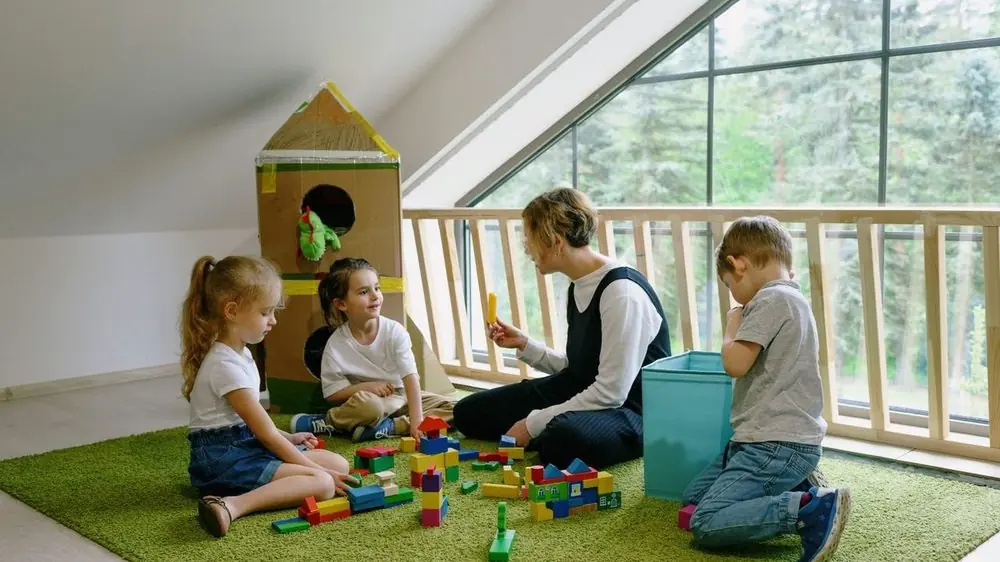
Some families look for a pre-preschool year: a gentle first step into group care before preschool proper. At EduCastle, our toddler room, The Squires' Stable, cares for children from 18 to 23 months with routines, sensory play and early self-help skills. The Young Squires then works as a bridge year for two-year-olds, mixing real routines with real independence.
School for 3 Year Olds: What the Day Looks Like
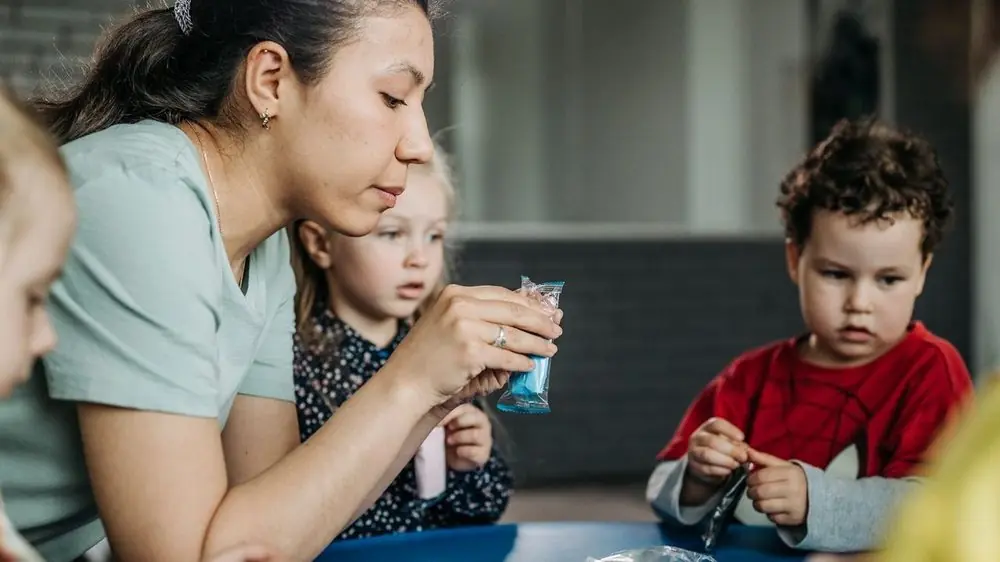
Young children feel safe when they know what comes next. At EduCastle, the day follows the same outline every week:
- 7:30 to 9:15 AM: arrival, indoor activities, a morning stretch and breakfast served by the center
- 9:15 to 11:15 AM: circle time, the week's theme as a group, outdoor play and small-group centers
- 11:45 AM to 12:30 PM: a packed lunch from home, which we keep cool and heat up, eaten together at the table
- 12:30 to 3:00 PM: rest time, then an afternoon snack
- 3:00 to 6:00 PM: sharing and stories, outdoor play, music, and a pickup recap for every family at the door
Inside that routine, activities change all the time, because teachers build on what children are curious about. For a three-year-old, that might mean pouring and measuring at the water table one day and building a ramp for toy cars the next. Our guide STEM in Preschool: What It Looks Like and Why It Matters shows what those investigations look like across the week.
Rest time is part of the day, which is why families send a sheet and blanket. Talking through this routine at home, using simple words like breakfast, circle, outside, lunch and rest, helps your child know what to expect.
Preschool Readiness Activities to Try at Home
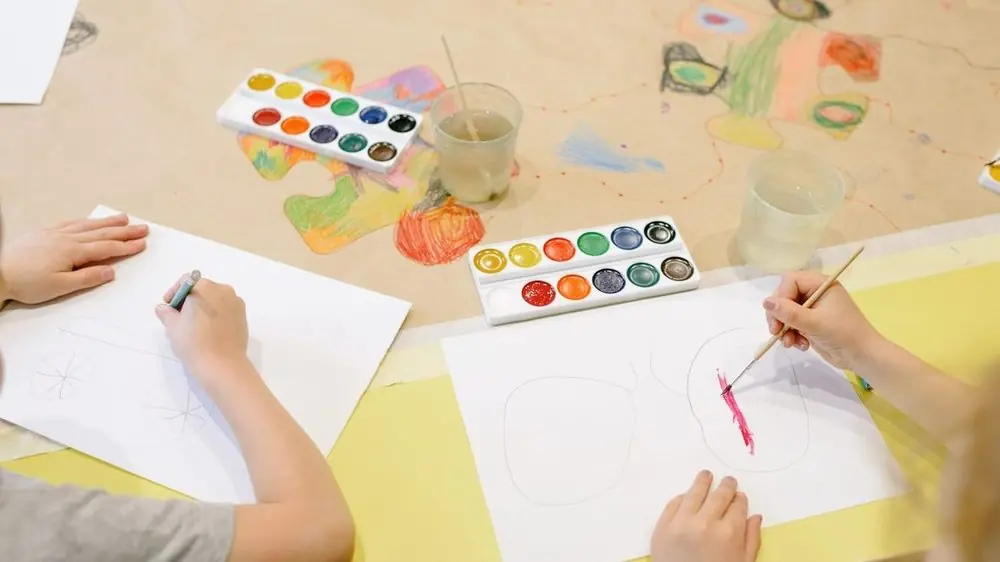
- Arrange short play dates so your child gets used to other children.
- Practice short separations with a trusted adult.
- Play pretend school with stuffed animals, including a goodbye and a hello.
- Read picture books about starting preschool.
- Let your child practice opening a lunchbox, washing hands and putting on shoes.
- Offer simple choices, like which cup or which book, to build confidence.
- Try one or two of the ideas in Easy STEM Activities for Preschoolers (Ages 3 to 5); sink or float and ramp races work for twos with close supervision.

Preschool Readiness Tips for the First Weeks
Start gently. EduCastle arranges a few short visits before the first day, so your child already knows the room and the routine, and when it helps, we use a step-by-step six-day plan that ends with a full day. Keep goodbyes short and warm, talk positively about school, and stick to a calm morning routine. Our guide How to Prepare Your Child for Daycare (Our 6-Day Transition Plan) walks through the plan step by step.
Preschool Prep: What to Pack
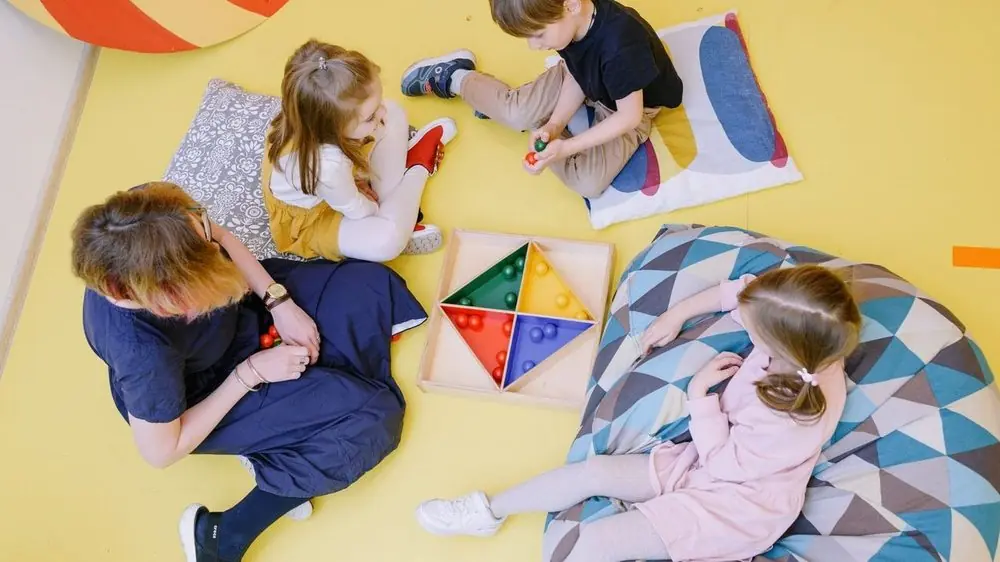
Let your child help pack the bag the night before. Choosing which spare shirt to bring or putting their own cup in the bag gives them a small sense of control over a big change.
Pack a crib-sized fitted sheet and blanket for rest time, a spare set of clothes, diapers and wipes if your child still uses them, and a ready-to-eat lunch. Put your child's name on everything. The parent handbook has the full list for each age group.
Not Quite Ready? That's Normal
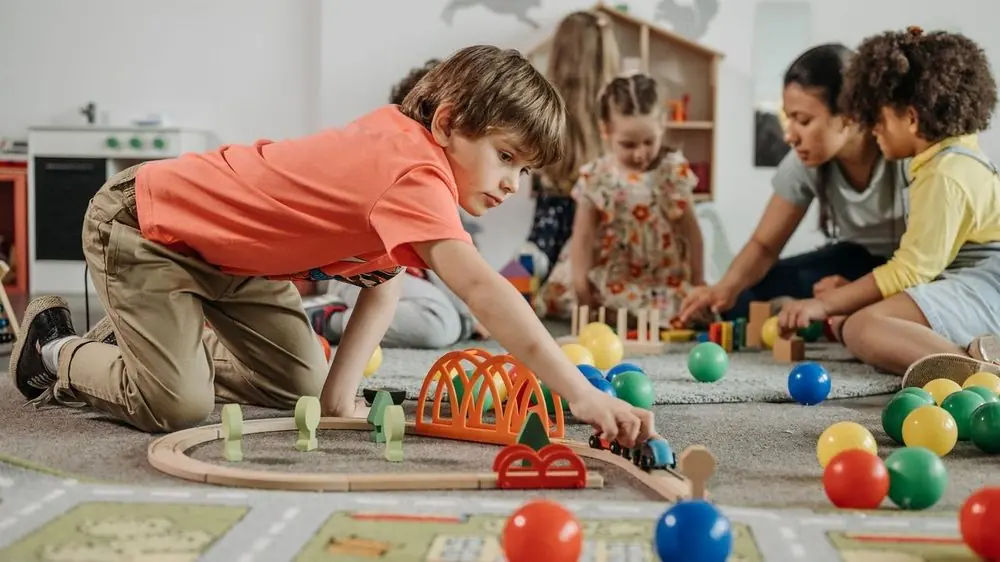
Every child settles at their own pace. Some walk in happily on day one and find week two harder, while others cry for the first few mornings and then settle quickly. Both patterns are normal, and neither says anything about you as a parent.
Readiness at two and three changes quickly, sometimes in a matter of weeks. If your child is not there yet, keep practicing at home and talk with teachers on your tour. At EduCastle, the first two weeks of enrollment also work as a trial for your family and for us, so you can be sure the timing is right.
Key Takeaways for Parents
- At EduCastle, preschool starts at age two in The Young Squires.
- Readiness at this age is about independence, communication and comfort with other children.
- Short separations, simple routines and self-help skills are great things to practice.
- A gradual start helps children and parents settle in.
Related guides
Visit The Young Squires
See where preschool begins. Schedule a tour, call (301) 202-2705 or text (240) 579-2027. We're open Monday to Friday, 7:30 AM to 6:00 PM, and weekend tours are available by appointment.
Frequently Asked Questions
Is My Child Too Young for Preschool at 2?
Not necessarily. Preschool can start at two, and The Young Squires is designed as a bridge year for two-year-olds. What matters most is your child's comfort with routines and other children, which grows quickly at this age.
What If My Child Cries at Preschool Drop-Off?
It is very common. Keep goodbyes short and warm, and let teachers help. A gradual start and a steady morning routine usually make drop-offs easier within a few weeks.
Does My Child Need to Be Potty Trained to Start Preschool?
Children learn at different times. At EduCastle, we follow your family's lead on potty training and keep it pressure-free, so ask about your child's room on your tour.