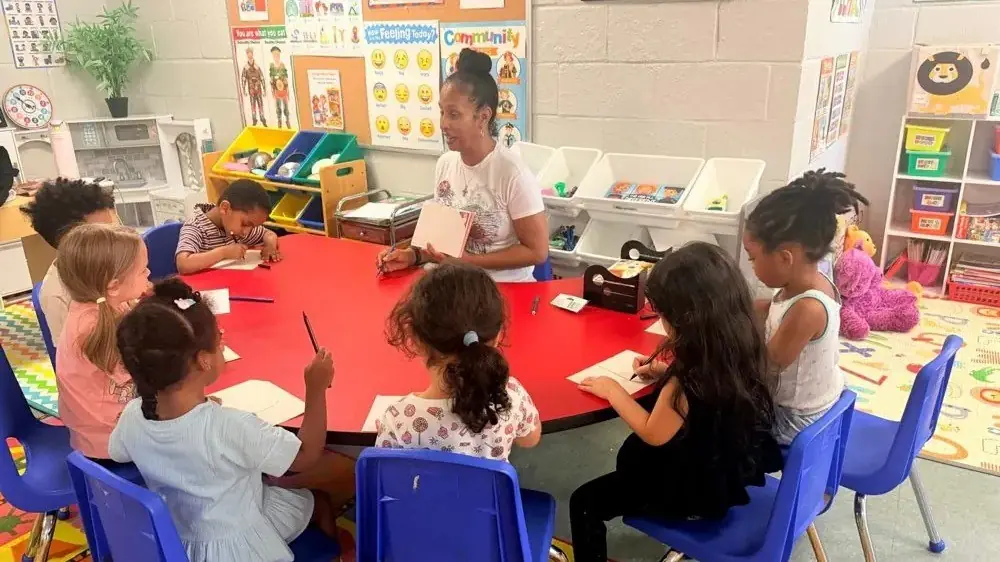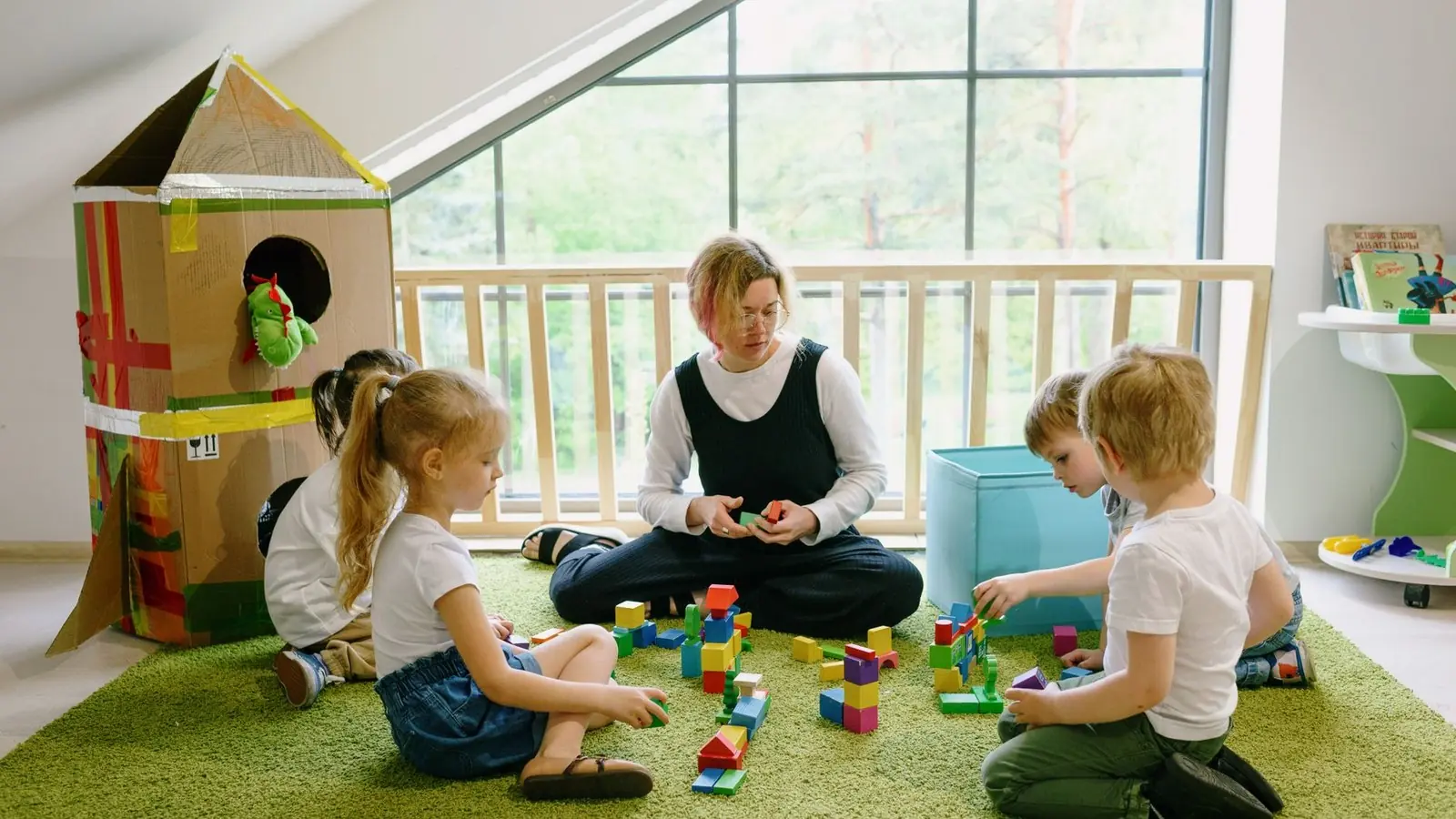


Potty training at daycare raises a lot of questions for parents. Who decides when to start? What happens during the day? And how do you keep things consistent between home and the classroom? At EduCastle Learning Center in Silver Spring, MD, our answer is simple: your family leads, and we follow. This guide explains when children are usually ready, how potty training works in our toddler room, and what you can do at home to help.
Potty Training and Daycare Work Best as a Partnership
At EduCastle, potty training isn't something that happens to your child on a set date. It's a partnership between your family and your child's teachers. In our toddler room, The Squires' Stable, we work with you on potty training once your family decides the time is right, and we keep it pressure-free from start to finish.
Doctors take the same view. The American Academy of Pediatrics recommends a child-oriented approach to toilet training, which means following your child's readiness rather than the calendar (American Family Physician).
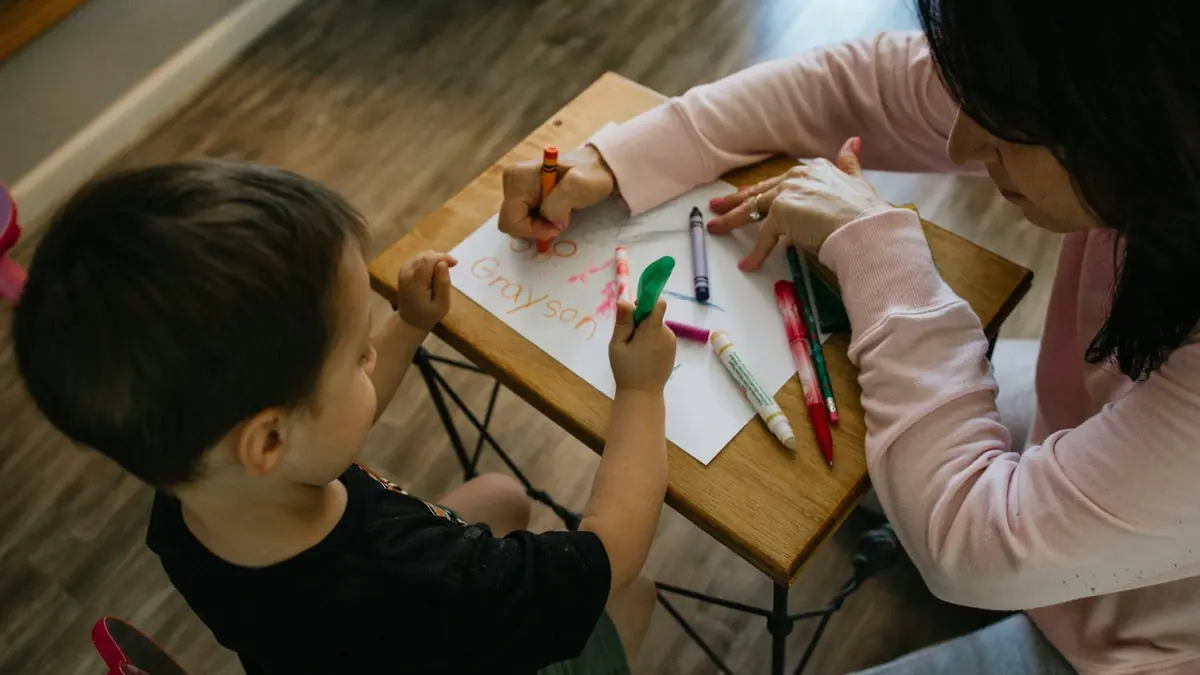
When Is the Right Time to Start?
There is no perfect age. Most children develop the physical, thinking and emotional skills for toilet training between 18 and 30 months. As many as one in three may not be ready until closer to 30 months, and that's perfectly normal.
Signs your child may be ready:
- Can walk and pull clothes on and off
- Follows simple instructions
- Notices when they need to go
- Is unhappy in a wet or dirty diaper
- Copies others using the toilet
- Says they want to try
Girls often show readiness signs a little earlier than boys, at around 24 to 26 months compared with about 29 months for boys. Staying dry during the day usually comes later still: the median age is 32.5 months for girls and 35 months for boys. And nearly every child gets there. In one group of children taught with a child-oriented approach, 98% were toilet trained by 48 months (American Family Physician).
Because The Squires' Stable welcomes children from 18 to 23 months, some toddlers begin there, while many start later. That's fine too. In The Knights' Academy, our preschool and Pre-K program, the youngest preschoolers practice pouring, serving and tidying, and potty training continues at your family's pace.
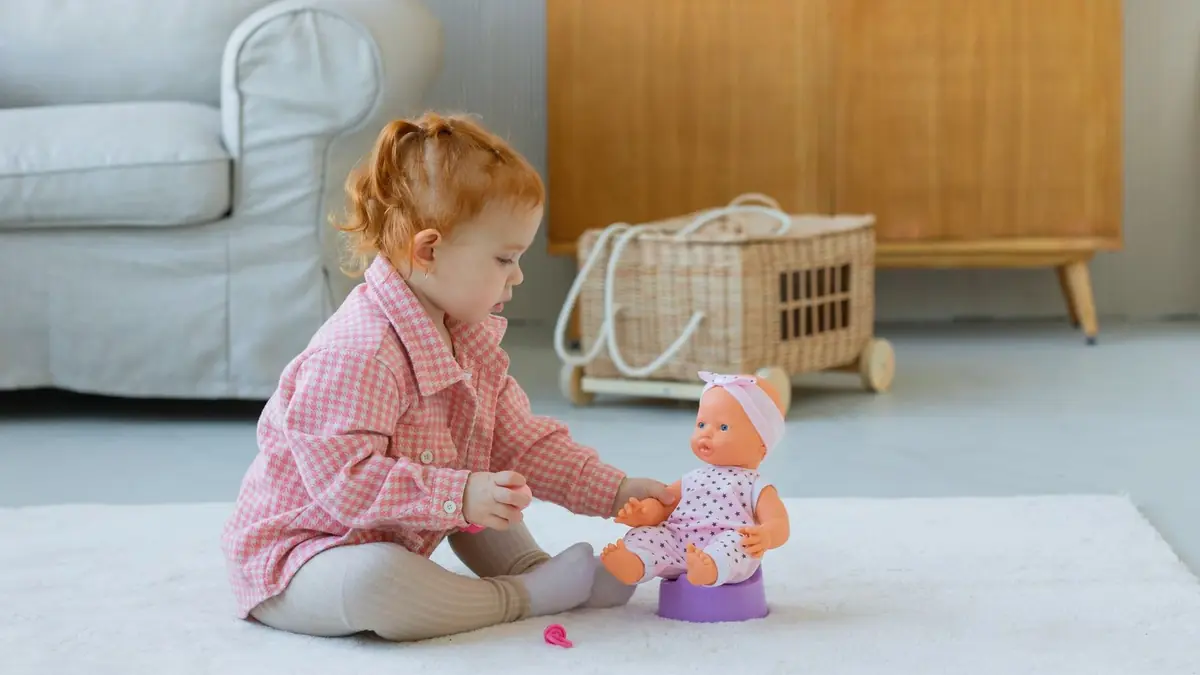
What a Child-Oriented Approach Looks Like at Home
The child-oriented approach moves in small, gentle steps. As described in American Family Physician, it usually looks like this:
- Introduce a potty chair and explain how it connects to the toilet.
- Let your child sit on the potty chair fully clothed for short periods.
- After one to two weeks, let them sit on it without a diaper, with no pressure to use it.
- If your child dirties a diaper, empty it into the potty chair to show where it goes.
- Move on to short diaper-free stretches with the potty chair nearby, then to training pants.
Throughout, stay positive, patient and encouraging. Praise helps, while negative language and punishment should be avoided.
How Potty Training in Daycare Works at EduCastle
Independence Builds Potty Training Confidence
Toddlers are discovering "I can do it myself," and we lean into that. Children practice self-help skills: handwashing, spoon and cup use, and cleanup routines. Each small win builds the confidence that potty training needs.
Small Groups Mean Personal Support
The Squires' Stable runs at one teacher to three children, so each child gets patient, personal support. That is in line with the Maryland State Department of Education licensing rule for toddlers aged 18 to 24 months, which also caps groups at nine children.
A Daily Routine Built for Little Bodies
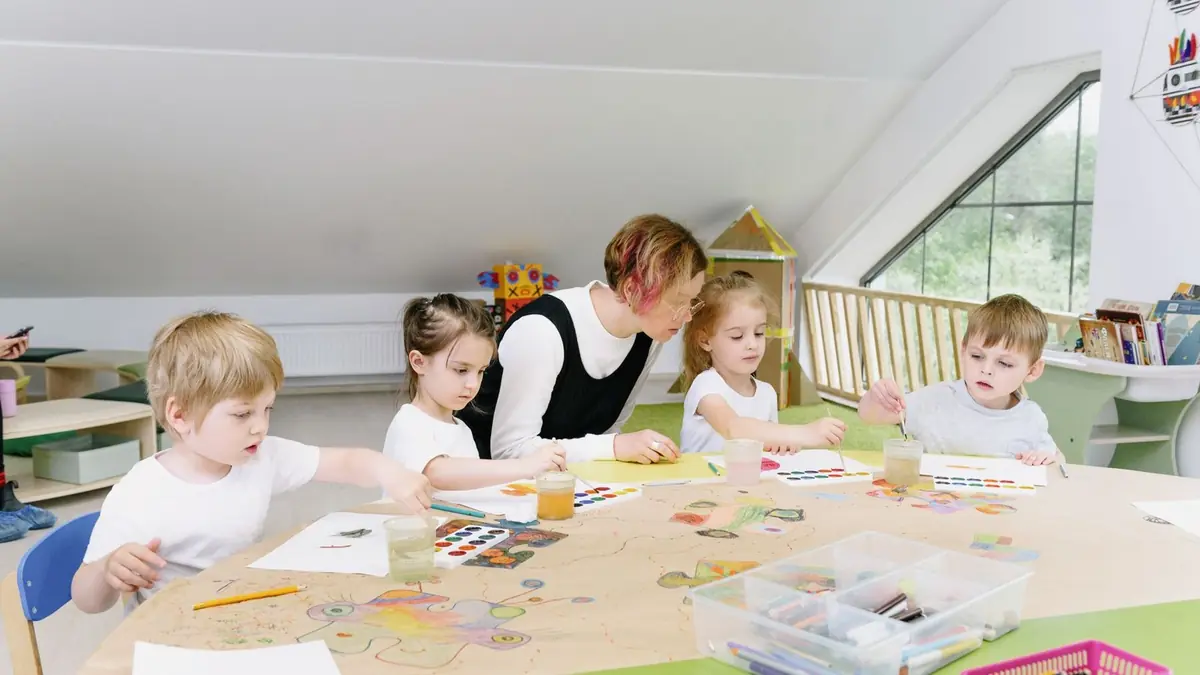
The Squires' Stable is set up for movement: climbing, pouring and stacking. Every day includes naps, snacks and time outside, and the early afternoon is set aside for a two-hour rest. Alongside that come deliberately messy sensory play, early language and first STEM activities. Families can choose a full day or part day.
Familiar Faces and Honest Daily Updates
Every room has a teaching team that stays together for the whole year, so your child sees familiar faces every day. You're never left guessing, either: families receive photos and a real note every day, with honest updates on the good days and the hard ones.
Accidents and Setbacks Are a Normal Part of Learning
Every child has wet days and dry days. According to American Family Physician, accidents and setbacks are common, and a temporary break of one to three months is acceptable. Through it all, what helps most is staying positive, patient and encouraging, and remembering that every child gets there in their own time.
At EduCastle, potty training stays pressure-free and your family sets the pace. If your child is new to the center, we can use a gradual six-day transition so they settle in at their own speed. And with honest daily updates on good days and hard ones, you'll know how each day went.
How Parents Can Help
- Tell us when you're ready. We follow your lead, so the partnership begins when your family says go.
- Share what you see at home. If you notice readiness signs, let your child's teachers know so everyone is on the same page.
- Keep it relaxed. Stay calm and low-pressure at home, just as we keep it pressure-free at school.
- Expect ups and downs. Accidents are a normal part of learning, so stay calm and keep the praise coming.
- Pack the basics. Send a spare set of clothes plus diapers and wipes, all labeled with your child's name.

Key Takeaways for Parents
- There is no perfect age. Most children are ready somewhere between 18 and 30 months.
- Watch for readiness signs, and start when your family is ready.
- Keep it positive and pressure-free, at home and at daycare.
- Accidents and setbacks are normal, and a short break is fine.
- At EduCastle, your family leads, and your child's teachers follow.
Starting daycare soon? Our guide How to Prepare Your Child for Daycare walks you through the first week, and What Age Is Preschool? explains what comes after the toddler room.
Come See EduCastle for Yourself
The best way to picture your toddler's day is to visit in person and bring your questions about potty training. Schedule a tour, call (301) 202-2705 or text (240) 579-2027. We're open Monday to Friday, 7:30 AM to 6:00 PM, and weekend tours are available by appointment.
Frequently Asked Questions
When Should My Child Start Potty Training at Daycare?
There is no set age. Most children develop the skills they need between 18 and 30 months, and many are not ready until closer to 30 months. At EduCastle, we start when your family is ready and follow your lead.
What If My Child Has an Accident at Daycare?
Accidents are a normal part of learning, and setbacks are common. We keep potty training pressure-free, and you'll send a spare set of clothes labeled with your child's name, so a change is always on hand.
What Should I Send for Potty Training?
A spare set of clothes, plus diapers and wipes for the little ones, all labeled with your child's name. The full checklist for your child's age is in the parent handbook.